I’ve been watching Ripper Street on TV lately. It’s a drama set in Whitechapel in the years following the reign of Jack the Ripper. I watch it because my latest book is a murder mystery with a horror twist, and because, frankly, the lyrical writing is some of the best I have ever seen.
Watching period dramas in the genre or time-period I am writing in is just one of the ways which I try to ensure authenticity in my novels. Actors call it immersion, and in a sense, that is what I as an author do as well. I also try to visit the locations and settings if at all possible, although many are over-built, derelict or standing in ruins.
There is definitely something to be said for standing in places where people from history once stood. If you close your eyes and open your imagination, it is easy to picture them in such places. Walking the paths you now tread. Staring at the vista before you. The noises and smells are often a reach further, but still possible.
It is even possible to get a sense of the magic of a place as well. As a child, brought up a Quaker, I trekked like a rite of passage up Pendle Hill, in Lancashire. This site was where the forefather of the Society of Friends, first dubbed ‘Quakers’, for their belief that people should tremble at the word of the Lord, first had a life altering vision which lead to the founding of the religious society.
It is a strange and moody place, a steep rock which juts high above the fell, and almost statuesque. It looms over Pendle as a location stained forever by magic, bound up with faith, in England’s minds and hearts. For Quakers, it’s an almost holy location, along with nearby Swarthmore Hall, the home of the founders George and Margaret Fox.
To this day, Pendle remains a source of fascination and touristic thrills. A town known for witchcraft, radicalism and rebellion.
The sleepy countryside, with gently rolling moors all around, is not what you might think it would be like though, if you closed your eyes and imagined the events which lead to its dubious reputation. But I found, or rather felt, something magical about the rocky outcrop and the sleepy stone-built town close by, I confess. Something which stirred the soul.
But why should that be? As an adult, the impression Pendle left the child me with should surely pale into insignificance, now I have climbed far larger mountains, both physically and spiritually. I have visited many a moorland and found or felt nothing of note there. So why did Pendle? Or the many other places I have visited in my quest for realism in my writing?
It strikes me that we, as humans, talk about place and attach personal significance to it, sometimes without ever having visited it. How many of us instantly associate towns and villages with events which have long passed into the pages of history books? Our perception thus colours the reality of these places today. Such as it is with Whitechapel and gory murder in its narrow streets, or Berwick, Biddeford, Pendle and Salem for witches. From Auscwitz to Tyburn, sometimes the very name alone conjures up deadly purpose and history. Their reputation marks them indelibly for all history.
What happened in these places, especially if it involves the accusation of magic or the horrors of mass death, primes us to have an opinion about a place before we have even been there. If you have ever visited a concentration camp, you will know the chill I speak of. It is almost tangible. To know the history before you visit a place serves to fine tune your senses to whatever magic lingers there.
And so I ask, is it magic, then, which causes such a physical reaction to a place? Or perhaps the unsettled ghosts which linger still, just to remind you of what they once suffered? Let me know your thoughts in the comments! Where touched you spiritually?
By day, Jan juggles consultancy work with her family, but by night she sneaks off, into the past. Her penchant for sprinkling history with magic is fuelled by coffee and Cadburys. When not writing, Jan takes her dogs and small monsters into the countryside, especially if there is a castle or historic building there with a cosy coffee shop in which to escape the rain of Manchester, England.
Jan is currently researching and writing the 3rd book in the Naturae Series, Destiny Arising, which is set in the early reign of Elizabeth I. Expect witch trials, murder and mystery with a hefty dose of magical realism and history!
Subscribe to the Escape Into A Tale newsletterhttps://www.subscribepage.com/mailingsubscribe and receive a free copy of the Naturae Series prequel Risking Destiny (a full length novel set in Viking Age Orkney) to enjoy.
I’m delighted to welcome award-winning historical fantasy author Luciana Cavallaro to Escape Into A Tale with a guest article looking at the fictionalisation of historical events.
Some years ago, I tutored students, unfortunately, I don’t have time to do this anymore. Before I delve any further and to introduce myself to Jan’s followers, my name is Luciana Cavallaro and I write Historical Fiction Fantasy and Thriller/Suspense stories. By day, my alter ego is a high school teacher, which leads me back to the beginning of this article: tutoring. This particular evening, one of my students had a research task for History and he chose to write about the legend of the 300 Spartans. Great, I thought, a topic I can provide lots of insight and information. Before I continue, let me say this was a thirteen-year-old boy.
The first thing he asked was whether the movie 300 was true, and did the war between the Spartans and the Persians happen? I told him the war was true but not as the film depicted the events. What followed was a series of questions about the film and to my dismay, how he thought the movie was factual. I pointed out the movie was based on a graphic novel, an overly fantasised story with very little accuracy. It took some convincing that no hippopotamus or a hunchback was ever involved in the battle of Thermopylae!
Fictionalising historical events has been around since the dawn of storytelling. Myths and legends tell of heroic deeds, transgressions of individuals and in some instances, weave tales of disasters that wipe out entire races. For instance, let’s look at Homer’s tale of TheIliad. Was there a war? Was Helen really a Queen of Sparta? Did any of the heroes in the story exist? This famous story has initiated many debates amongst scholars and archaeologists.
Troy VI-VII East Gate cul de sac Troy IX walls on the right. These were massive defensive walls and only a third of the height remains.
For a long time, the general consensus was it was just a story, a fanciful ode depicting an era eulogising the Olympian gods and heroes. However, contrary to the naysayers, archaeological evidence has proven otherwise. The site of Priam’s palace and the city of Troy, discovered by German businessman turned amateur archaeologist, Heinrich Schliemann, found proof of a war. He uncovered arrow heads, human bones and scorch marks on walls and in the earth that dates back to the time of the epic story. Archaeological excavations, still ongoing since the early 1900s, where experts working on the site have determined the war in Homer’s saga was a culmination of several wars over the centuries. The other myth that was debunked was how could one person recite 52,000-word poem and remember it all. It turns out quite easily. A historian/scientist journeyed to Armenia and recorded a bard, not unlike Homer, retell an historic battle through singing and the use of a lute. He recited the epic tale without the aid of a written script. Repetitive use of keywords, names and phrases, along with the music, were strategies used to help recollect lines and the order of the story. With regards to The Iliad, as the story was passed on from one storyteller to the next, creative license was taken and more add to the story.
Masonry tunnel at Tiryns
The site of King Agamemnon’s palace at Mycenae was found, as were Tiryns and Pylos, major Mycenaean cities mentioned in Homer’s tale. The walls of Tiryns were described by the bard as ‘mighty’ or ‘well-walled’ depending on the translation. The remains of the walls are impressive even to this day and when you see them, you can understand why he called them ‘mighty’. Weapons, helmets, armour described by Homer have also been found at the site of Mycenae and you can see them in the museum located next to the ruins.
Path up to the Lion Gate, Mycenae (they are huge and impressive!)
The Mask of Agamemnon, a gold funeral mask, dated 1550–1500 BC
‘Meriones gave Odysseus … a cleverly made leather helmet … On the inside there was a strong lining of interwoven straps, onto which a felt cap had been sewn in. The outside was cleverly adorned all round with rows of white tusks from a shiny-toothed boar, the tusks running in alternated directions in each row.’
Homer, The Iliad, Book 10, Lines 260-265
I count myself fortunate, as I’ve visited the ruins of Mycenae, Tiryns and Troy. It was, and still is, the highlight of my trip and one of the reasons I write Historical Fiction Fantasy.
Back to my student, in their excitement, they informed me a sequel was made: 300 – rise of an empire. I did not go and watch it, though I did see the movie 300. If you enjoy mindless action, blood and gore, then watch it. If you’re after historical accuracy and depiction of the Battle of Thermopylae, better to read Steven Pressfield’s Gates of Fire.
About Luciana Cavallaro
Luciana Cavallaro, genre-bending fiction author, is the multi award-winning author of The Labyrinthine Journey, Minotaur’s Lair and The Guardian’s Legacy. She has been nominated for book awards in the action/adventure and historical fiction genres, Finalist in the New Media Film Festival and Finalist in the Page Turner Awards. She is also rather proud of her ambitious attempt at driving her first car at the age of three. (Just between us, this was when she gave her father high blood pressure … and the beginning of her adventures).
Welcome to Henry Fitzroy – formerly the Duke of Richmond and Somerset, bastard son of Henry VIII and Elizabwth Blout, and, if I may, the most intriguing character in the Naturae Series so far.
Which book/world do you live in?
You’ll first encounter me in Anarchic Destiny – Book 2 of the Naturae Series and all the following books.
Tell us about yourself:
‘Dying’ when I was 17 was a trauma, but I was told if I became a vampire, I would still be able to fulfil my destiny to be King. Annoyingly, after I said yes to being made vampire, my half brother Edward was born, so I had to wait, hidden and captive for another 17 years, until he too died in 1553. But, when I found out about his plans for succession, I realised I’d been forgotten. I was no-one. I have to find my place in this new world. Find a way to fulfil my destiny to rule.
What are your greatest strengths and weaknesses?
I didn’t realise how liberating it would be to give up my soul, and so I would say my greatest strength is that I have no compunction about doing what is necessary to achieve my given purpose. I’m also super-fast, super strong, and, depending on the day or how I feel, super compassionate. Perhaps that is my weakness, but I still feel for the humans, even though most of my kind view them as fodder.
Name three important people/creatures/institutions in your world (such as lovers, pets, government institutions, leaders, gods etc).
The institutions in my world are the structures which enable people like me to rule – the Church, although I have wavering affiliation to it, and the monarchy. I’m ambiguous as to which of these institutions should remain once I get into power. On a personal front, I have few friends. Those I can count are Thomas Fairfax, a daemon, and, I suppose, my half sister, Elizabeth. She knows who and what I am, and means a great deal to me, possibly because I cannot influence her as I can mere mortals. She has the potential, though, to be great. I have always sensed this about her and I hope that in the future our two realms can grow closer in proximity. Naturae is where I will set my sights though, the home of the fae.
What does ‘heroism’ mean to you?
I have thought a great deal about this, and my opinion of what it means to be a hero is undeniably influenced by my father, King Henry VIII. He had his flaws, to be sure, but he was driven to greatness by passion. A desire to grow his influence. To be the best.
However, I am of the mind that life should be preserved where possible, even in the pursuit of greatness. I regret losing my mortal life and mourn the loss of my soul. I am not about revenge, or killing for the sake of it, but rather, people should be allowed to choose how they live, not die because of what someone else thinks. I think that makes me quite heroic. I will always stand up for liberty. That is my passion.
What do you think of your ‘creator’?
She tries hard to make me into a sympathetic character, although I know at times I may make some choices which ordinary people could view as morally questionable. Had I known my mother, Bessie, more, perhaps she would have endowed me with a more balanced view, but, I was born to rule no matter the cost.
Give us your favourite piece of advice:
Life is short, for humans. Make the most of it. Live how you want to and with honesty, and you will have no regrets when it is over. If, like me, you are destined to live a long life, then there is even more reason to be true to yourself, because hiding who you are will cause you untold miseries which you have your whole life to regret.
Other Naturae series character interviews: Queen Lana
A forgotten heir… A Queendom in crisis… Chaos will reign
Discover a historical fantasy thriller that will take you on a journey through the reign of Bloody Mary, to the fantastical world of Naturae. Book 2 of the Naturae series – escape into a magical past!
Family should be loyal. At least, that’s what Fae Queen Aioffe and Joshua thought, until a rival claimant to the throne returns. A witch’s prophecy goes unheeded, causing shifting allegiances, disruptive visitors and threats to Naturae.
In England, Edward VI has died, and a fight for his throne will follow. Henry Fitzroy, a forgotten heir and Edward’s bastard vampire brother, awakens to the destiny he was promised in tatters. Denied his crown and place in the human world, Henry sets his sights on claiming what was due to him, even if that means hurting everyone who was loyal to him before.
The price of an heir to bring Aioffe, Joshua and the Queendom back together is a sacrifice – their marriage or their loyalty to Naturae.
As darker forces force a decision, chaos will reign…
★★★★★ Book 2 of the Naturae Series is a thrilling historical fantasy novel, weaving together Tudor times with magical realism. Discover an epic alternative history where love, loyalty and faith are all that stand in the way of anarchy. Escape into a Tudor game of thrones and be captivated by this unputdownable story of powerful, magical characters locked in a battle to rule! ★★★★★
I didn’t set out to write a story about war with Destiny Awaiting, it just happened. It was supposed to be a simple enemies-to-lovers romance, set in a time of danger and adversity where strangers could observe the history and fulfil their destiny. It is, on one level. I wanted to highlight how conflict drives the narrative, especially in my kind of novels, where the historical events are woven into the fabric of the storyline.
But, the more I wrote about the setting and circumstance, the more I understood the detail and decisions, the more my feelings about Henry V, traditionally a hero king to the English, became mixed. It doesn’t sit well with me, but hear me out when I say: Henry V and Putin have a lot more in common than I could ever have imagined. So, however unpopular a view it is, I explain in this post why we perhaps need to rethink how we, the English, view Henry V.
I’m a pacifist through and through. The prospect of going to war fills me with horror – especially when I’m not certain quite why it’s being fought in the first place. It’s always amazed me how some people can bravely put themselves into the firing line for an idea, or a claim. I can see how people might fight for a belief or ideology a little easier because it must take a significant amount of faith that you are doing the right and just thing to put yourself in harm’s way knowingly. It’s also easier to see how people can fight to protect others.
My prequel to the Naturae Series, Destiny Awaiting, was written during the last year when we have all seen the devastation of war brought to our doorsteps. In a country which is hundreds of miles away from my own, the impact of the Ukraine invasion has rippled through the world’s economies. When I started to research Henry’s campaign in France, what struck me while writing the closing chapters was the uncomfortable parallels with what is happening today and what transpired 600 years ago. At the time of writing this article, the one year anniversary of the war in Ukraine has just passed, and I fear, despite the support given to Ukraine to push back, there is a long road ahead on the war to reclaim sovereignty.
Historical right to rule
Let’s start with a belief that just because at one time a ruler ruled over lands, does that mean that they should ALWAYS rule them? Henry V was essentially continuing (or reviving) a war which had raged over France for almost a century at the time. The campaign of 1415 was just the latest in a long line of battles through five generations of Plantagenets and for 116 years, over the right to rule medieval Europe. Putin believes that Ukraine is a part of historical Russia, the Russian lands which were claimed by the Tzars of old. As the head of his country, he perceives his position as Tzar-like, with near absolute control over what happens and how it is presented to his people by a ruthless control over the rhetoric. Not unlike the monarchy during medieval times, although arguably the citizens’ inability to read made the job easier back then.
A Heroic Leader – or so we’re led to believe. Controlling the rhetoric.
In England, Henry V’s battle at Agincourt is often taught to children as a David and Goliath type of battle – the few (thousand) plucky archers, ravaged by dysentery and exhausted after marching for hundreds to miles towards English-held Calais and safety, met the French army, three or four times the number, and won. Immortalized by Shakespeare, brought to life for a modern audience by numerous films, the tale of a charismatic young king who defeats the odds is the backbone of many a storyline since. Dying young (comparatively) and on the battlefield served to cement his legend. Or, to put it another way, he died young enough not to make too many mistakes later on in his rule. By most contemporaneous accounts, once he became King, Henry was a pious man, who had the ‘common touch’ which later monarchs lacked. A reformed party prince, scarred by early battles with the Welsh and Owain Glendwr, who sought the counsel of his elders to walk the careful balance of diplomacy, war and marriage to secure both the crown of France and peace.
That’s the rhetoric at least. History is largely written by the victors and it very much suited the scribes of the medieval age to paint Henry in a flattering light. Monarchs always want to control the narrative – and as information becomes more widely available, it gets harder for them. We may never know what Henry V was like behind closed doors, but I’m willing to bet, given his acknowledged partying pre-coronation, there’s a good few secrets which will never see the light of today.
This story shall the good man teach his son, And Crispin Crispian shall ne’er go by, From this day to the ending of the world, But we in it shall be remembered; We few, we happy few, we band of brothers. For he to-day that sheds his blood with me Shall be my brother. (King Henry, Act 4 Scene 3, William Shakespeare)
The image and rhetoric Putin presents to his people isn’t dissimilar to Henry’s – a dynamic and decisive leader who will stand up against the tyranny of pretenders to his ‘throne’. A man for all seasons. I remind you of the half naked, gun toting poses of Putin’s calendars showing his virility and prowess, and how Putin has couched his invasion as a fight against Nazi oppression for the good of the Russian people. To say anything otherwise is frankly, dangerous.
Imagery is all – Henry chose to show his best side (ok, the cheek without the arrow scar and the hair cut for comfort in battle as he prays for divine guidance), Putin issues state approved press releases and a calendar full of poses to remind us how his devout and earnest nature whilst still vigorous enough to lead his country into war.
Patience and Planning
There seems little doubt now that Putin planned his attack on the Ukraine over some years before he actually invaded. Henry’s preparations for war with France are well-documented, even by modern standards. Indentures, budgets, equipment lists and soldiers names and more still survive today – many are housed in the National Archives and quite a lot of information is available online in searchable databases as well. Henry planned the assault for many years and with dogmatic attention to detail. Even the last-minute hitch of a late-discovered plot to overthrow him before he set sail didn’t deter him. He dealt with the traitors in a characteristic, ruthless fashion before ploughing ahead, late in the campaigning season, with his voyage across the channel.
Such a build-up to attack is hard to hide (recall the massive convoys and build up of troops on the border of Russia and Ukraine in Spring 2021?). The world could see what was coming, even though we all hoped it could be stopped.
Neither leader planned for how long it would take though. Both thought that the overwhelming initial barrage would cause a swift capitulation.
Harfleur was ready for Henry’s arrival and had dammed the river until a vast lake surrounded the town. Wooden barricades stood in front of the picturesque white walls, and a battalion of troops were ready to deflect anyone who approached.
Every day, Henry’s forces besieged Harfleur with cannons and catapults, having fired all the surrounding farms and dwellings. The walled city, trapped by the lake of their own creation on one side and the sea on the other, was patched up overnight, every night, using anything the few thousand residents could get their hands on – church pews, building joists, doors even. Only one supply ship made it to the town in five weeks, and they must have felt abandoned by their ruler (who was mad and thought he was made of glass anyway!).
Under fire, running out of supplies, and cut off from any other support, military or food, the citizens of Harfleur resisted for just over five weeks before they overrode the commander of the battalion defending them, and surrendered their town up to Henry.
I cannot help but think of the terror of surviving under siege, not knowing when or if it’s going to stop, or if anyone is coming to help. The Harfleur scenes in Destiny Awaiting were written at about the same time as Mariupol was under siege. My character Aioffe is trapped in Harfleur, a stranger observing the best, and worst, of humanity. Five weeks of constant stress is a long time; the residents of Mariupol lasted almost twice as long.
Neither attacking ruler thought the towns they laid under siege would survive half as long as they did, in the end. By the end of the siege, both townships were pretty much flattened.
Cold hearted nature.
Perhaps the most damning fact about Henry V I discovered, which turned my stomach and reminded me so much of the lies of the Russians in WWII and the missing Polish prisoners of war, was what happened at the end of the Battle of Agincourt. Although they were winning, Henry wanted to be sure that the French would stay down rather than re-group. He ordered the captured prisoners to be put to death, and several thousand unarmed men were slaughtered. He kept alive only a few of the nobility who were good for ransom money. Many of his own knights refused to kill the captured, as it went against the chivalric way of warfare, but Henry threatened his men with the noose if they failed to carry out his orders. At the time, he was not criticised for this order, but by today’s standards, it would be considered a war crime.
Even though we live in a technological age, where information is easier to come by and orders are disseminated faster, the tactics of warcraft haven’t really evolved in some ways. Success on the battlefield still sometimes comes down to the weather, leadership and geography. Whether your troops are correctly equipped for these factors is also important.
In Henry’s case, he played to the strengths of the land and dreadful weather at Agincourt. The French were heavily armoured, known for their knights charging on horseback and subject to unclear chains of command. The night before battle, heavy rain fell on the freshly ploughed field just outside Agincourt. In times when a battle took place on one day, rather than stretching out to inch by inch claim land, such matters were decisive. Henry’s forces were lightly armoured, well trained (for it was the law for all men to practise with a bow) and led by experienced commanders. Henry had a battle plan to make the best use of the terrain, the weaknesses of the opposing forces and the strengths of his own. The result was a mudbath bloodbath as the French horses and armoured knights were trapped in the mud and felled by the rain of arrows from the wooded valley.
By contrast, Putin is faced with an opposition who know their landscape and the defensive opportunities of it. He may have rolled into Ukraine with tanks and vast numbers, but the lessons of warfare history (of which he is apparently an avid fan) have not served him well so far. And this, I believe, speaks to the mentality of the man. He makes war the old-fashioned way which Russia has fought with before. With conscripts, who have little vested interest in putting their lives on the line. With a confusion of commanders. With equipment not suited to the task at hand. It is my fervent hope that, like the French fell to the nimble-fingered archers of Agincourt, his attempt to conquer Ukraine is decisively prevented.
Henry V was by no means the most blood-thirsty of England’s kings. That he has been held up as a legendary warrior disguises the questionable choices he made in the heat of battle. Although it’s not easy to look beyond the legend to see the man behind it, by studying the actions of the past, we can change, or at least challenge, the rhetoric about what is happening today. Our values have evolved, and perhaps it is time to re-evaluate how we teach our children about our history. If we continue to glorify wars of the past, then we set ourselves up to be taken in by war-like leaders today.
More, by failing to question the reasons for going to war has time and time again cost lives and toppled countries. When we think of Vietnam, Afghanistan or Iraq, did the wars achieve what was intended? Are the countries any better for those living there than they were pre-war?
If you would like to read more about the siege of Harfleur and the battle of Agincourt, Destiny Awaiting releases 31st March 2023.
If you have any thoughts or comments on my opinions here, please email.
Meet Aioffe as she enters a strange, human, world with a thump! Read on for the first chapter in a new enemies to lovers historical fantasy romance, set in Henry V’s campaign to Agincourt.
She stole away to discover a new world, but interrupted a thief. Now Aioffe can’t escape from him, or her growing curiosity.
Across England and France, Henry V relentlessly raises an army to secure his throne. Tarl’s skills as thief, blacksmith and bowman might land him in the firing line, but all he wants is to clear his debts and restore his family’s honour. To pay for his crime he must hand over the strange fae girl to the Church authorities, or he will end up warring with more than just his heart.
Fighting with each other risks both of their lives. A battle between their races must be averted, and secrets kept hidden. As they journey through medieval Scotland, Wales and England and into France, Aioffe and Tarl must discover what true love is if they are to survive the destiny which awaits them at Agincourt.
★★★ A thrilling, historical fantasy romance prequel in the Naturae Series. Escape into a magical past with the journey which started the adventure, to where battles of the heart are destined to fight with faith and hope itself.★★★
Chapter 1 – 1415 Wrye, the Orkney Islands
She’d left it too late to pull out of the dive. Her body collided with the fir top, covering her in dislodged icy clumps of snow. All forward momentum halted. With the trunk out of reach, Aioffe tried to steady herself inside the woody prison by pushing all her limbs out wide. It seemed to work. She had time to draw in a calm breath. Then her wings gave way. As her body slid down the branches, her frozen fingers failed to grasp the dark green spiky tufts. Tumbling through the tree, the translucent panes of her appendages shredded into tatters. Halfway down, she hooked a thicker branch with one hand, then froze, dangling. Before she could grab another hold, the supple wood sagged, then cracked. Her numb fingers lost their grip. “Ow.” Her bare foot broke the thin, icy layer, twisting against the frozen earth beneath as her body weight followed. Having deposited its cargo in an ungainly heap at the roots, the branch pinged back with a whoosh. Aioffe opened her eyes. A clump of snow plopped onto her head, a final insult. Her quarry, a lone squirrel which had been sitting atop the tallest fir in the copse in an otherwise desolate land, now leant up on its haunches a few feet away. For a moment, its russet fur quivered as it examined her with curious eyes. They stared at each other silently, then it tilted its neat head at her and hopped off. “Next time.” She sighed as she caught sight of her battered, numb wings. She needed to feed. The squirrels’ Lifeforce would have been sufficient sustenance to return home with. Now injured, she would need something more substantial to heal herself. Her wings twitched; the breeze whistled through the holes, tickling as sensation returned. There would be no flying away from the island with them so shredded. Her ankle throbbed in protest at the prospect of walking. Not that one could walk across the sea. She swallowed, hearing her mother’s voice in her head, ‘One such as you should never leave. If you must, then never travel alone. And never be seen.’ And never find out anything, Aioffe always mentally added. Never be free. Never discover. Never live a different life than that which her mother, and the rest of the fae, demanded of her. After following the squirrel’s tracks across the flat white landscape with her eyes, Aioffe turned on the ground and peered through the cluster of trunks surrounding her. Her heart sank as she watched for a few minutes. No other prey hopped or flew into sight. The silent sun had begun its descent; twilight would soon fall. Where the land dipped into the horizon to the west, a stone cross peaked into the orange sky. A slate roof hugged into the curve of the coast; its adornment jutted up like a beacon towards the water. From the air, this small island had appeared uninhabited, but the whitewashed building was worth considering as shelter against the long winter night ahead. At the very least, it had a roof. She crawled to the edge of the copse and gazed across the other side of the expanse. In the distance to the east, a tall, square building dominated a ridge. A lone tower atop a mound at its base rose only half as high as the trees in Naturae, and cast a long, dark shadow towards the coastline. Centuries ago, the Vikings – invaders, and destroyers from even further North – proclaimed their dominion over these islands with castles and brochs. Aioffe’s mouth dried. Perhaps some were still used by those who ruled here. Stone constructs were so different to the treetop dwellings of her kind. The prospect of exploring them piqued her interest, despite her fear of discovery. “Perhaps don’t stray too close to them, then,” she muttered to herself. Entanglement with people – humans – would likely get her in more trouble. With hawk-like eyes, Aioffe stared at the tower, the low building, then the tower again for a few minutes. She didn’t spot any movement or candlelight inside the small windows of either building. A gust of chilly sea wind whipped a loose strand of hair across her cheek. She needed to move, and now, before darkness fell. Wincing as she stood on her sore ankle, she shook the last of the snow from her head. Her wings, shredded and aching, dropped behind her back, so she tucked them out of sight underneath her heavy cloak before setting off. As she limped down the slippery incline towards the whitewashed building, the silence of the desolate land was broken only by the crash and rattle of waves, lurching from the Sound to the pebbled beaches between this island and the next. She caught a braying of seals from the cove below and her stomach rumbled. Now they come to shore! Typical of her luck – given her current speed, by the time she made it down there, they would probably have gone back out to sea. Her priority now was shelter. As she approached the single storey building, a cluster of upright stones jutting from the grass, decorated with carved inscriptions, caught her attention. One was a more recent addition, judging from the absence of moss on its light grey face. The slate was graced with a cross within a circle above the writing, like the one on top of the roof, as if the symbol were the most important thing to announce. A freshly turned earth mound extended from the slab’s base. Her nose wrinkled. Decay emanated from the soil where turf had yet to grow. Weariness and pain swept over her, and she leaned against the stone. Her fingers traced the indentations of lettering as she caught her breath. Humans lived such short lives; how strange that they would place their bodies under ground when their life ended. Their souls freed to roam wherever they wanted without earthly ties. A noise interrupted her pondering. Her head shot up and she stiffened. A chink of metal? Despite her extraordinary hearing, nothing further sounded. Aioffe snorted, dismissing the sound as her own knife, holstered, and hanging from her belt; it must have bashed against the slab when she moved. She shook her head; how silly she was to spook herself when she had seen no signs of anyone alive on the island so far. A flagstone path led to the building entrance. Her ankle throbbed from the unfamiliar exertion of walking. When she pushed the heavy wooden door, it swung open with a creak. A furtive movement in the shadows at the back of the room made her blink, then, another chink sounded. She gasped. The light from the slit of a window behind lit upon blond hair. His face furrowed as he turned towards her. The bag he held clanked to the floor, then his hands curled into fists. Aioffe’s mouth dried as she stared at the human through the drifting dust. He was trapped, like her, in the last beams of sunlight.
As Halloween approaches and costumes arrive in the shops, I started to explore our stereotypical image of a witch and wondered how we arrived here? A hag or crone. Someone who peddles magic from beneath a pointed hat, stirring a cauldron. Perhaps she has a familiar, a cat or a toad which hangs around her hovel. Maybe she uses a wand, or stones to cast her spells with. She invokes unseen spirits, elements known only to her kind, for the purpose of changing something – curing an illness, revenge against a wrong, or whipping up a storm at sea.
How did this, an instantly recognisable, image of what a witch looks like come about?
When one thinks about witches, there is often a temptation to focus on the witch trials and hunts of the sixteenth and seventeenth centuries. Salem, Mathew Hopkins the Witchfinder, Pendle Hill – every schoolchild is taught about these horrifying events and sinful people, partly because they are well documented. They serve as cautionary tales of persecution, misconception, and of how fear can drive policy, and politics. But, the link between witches, magic and power goes back further in world history than you might think.
To discover and understand why we have this impression of a witch, and why we continue to be fascinated by magic, we have to look into history, examine our story-telling and ask what part gender, power and politics play.
Light vs. Dark, and Stories
Although there are many who would profess to be ‘white witches’, pagans perhaps, fighting for the lighter side of magic to be more prevalent in popular culture, there is as much darkness surrounding witchcraft as there ever was. There’s an undeniable thrill about exploring the wicked – especially from the safety of a book or film. A black and white idea of the world ruled by light and dark, good and evil, is also a matter of perspective. Even Darth Vader thought he was doing the right thing when he turned to the dark side, and the best stories are driven by the conflict between good and bad choices.
Stephen Fry’s book Mythos, for example, highlights how storytelling, of myths and legends, was both an entertaining means of passing on knowledge about important things like the passing of time, seasons, the weather, as much as how humans made sense of the natural world. We may have moved on from campfire tales, but we still teach through stories, still escape into them for comfort, and use what we ‘know’ as a basis to frame what we don’t know, or can’t yet prove. How we view magic, and witches, is heavily influenced by what we are ‘told was true’ and by how much you trusted and believed in the storyteller. My husband likes to remind me, an expert is only someone who knows at least one more thing about something than you do.
The concept of magic (sorcery, spirituality) and those who practise it (witches, sorcerers, magicians, priests) dates back to the earliest human cultures.
Put simply, magic explained the inexplicable. In a time when science, as we know it now, didn’t exist, magic and belief were often bundled together.
Magic is all around us, but you might call it faith, or belief.
Belief in magic is a common thread across all ancient, and perhaps some modern, cultures. Our natural desire as humans is to frame the esoteric in a context we can understand, to create order out of what seems like chaos. Sumerians believed the world was full of hostile spirits; evidence suggests they performed exorcisms and wove spells to protect themselves. In Ancient Egypt, Heka, the god of magic, was invoked as medical practitioners and magician priests worked together to cure illness. Chaldea, an area so renowned for its magical teachings that when it was absorbed into the Persian empire, the word was then used to describe a social class skilled in the magical arts and incantation.
Magic and spirituality were, for the majority of cultures, an accepted part of life. Most people worshipped some form of deity, a force greater than themselves, which could impact their daily lives.
Faith itself, like magic, is invisible. Intangible. Binding magic to belief doesn’t require a great leap of imagination.
Faith itself, like magic, is invisible. Intangible. Binding magic to belief doesn’t require a great leap of imagination.
Evolving religions gave such beliefs a structure, which only added to the power people vested in institutions.
Sadly, a subsequent desire to use or control belief goes hand in hand with the persecution of magical practitioners. When a stricter set of guidelines from religion developed, specifically placing some magic as ‘good’ and some as ‘evil,’ the persecution of specialists, rather than magic itself, begins. In 1316, Pope John XXIII issued bulls which linked sorcery, heresy, and pacts with the devil. Miracles were still miracles, after all, so some magic was acceptable, if those in power determined it was in support of their belief system. For the past millennium, across much of Europe certainly, church and state were so closely linked, that a definition of what was tolerable magic became refined over the years by theologians and scholars, effectively giving religious justification for what would become laws against witchcraft in many countries within two centuries.
The modern, possibly better educated mind, might question whether magic exists, and if therefore true practitioners of magic can be real, but during the history of human civilisation, magic, and the Devil (or whatever your religion called it) absolutely existed.
My theory is, at the point where science started demystifying some magic, our perception of what a magical practitioner looked like stalled. It did not particularly evolve, but, I believe, became re-enforced as the stories we told about witches seemed ever more like tales than truth. With all good stories, any conflict is exaggerated for greater emotional effect, until we end up with a virtual caricature of what a witch really looked like.
Let’s break down the stereotype…
She’s a witch, part 1.
Evidence – she’s a woman.
You cannot escape the fact that for the vast majority of people you could ask to describe what a witch looks like, the witch is a woman. The overall impression is usually unpleasant – ugly, peculiar-looking, weird. Not like us. Someone to be derided by normal society. It is, without a doubt, a very medieval image, and perhaps that’s why it’s stuck, because the fear of the witch was at its height in those decades when mankind ‘claimed’ a victory, or a control, over magic by legal means. The witch was tried, sentenced then dead, burned at the stake or by the means of testing for witchcraft itself. Order restored once we purged ourselves of the creatures who practised such dark arts.
In a medieval world ruled by men and faith, gender mattered. Few organised religions (such as Catholicism, Islam, Judaism) had women in powerful positions. One’s place in society was defined as much by economics and class, as one’s reputation and gender. In the vast majority of cultures, women were essentially property. This view is still prevalent in some societies today.
But that doesn’t mean women were without knowledge or power. Without childbearing women, there could be no continuity of human life. Even though they were not often afforded a formal education, skills such as healing, herbology and ritual, were passed down in the oral tradition from mother to daughter. The concept of a family unit revolved around a father and mother as household figureheads, each with their part to play in bringing up the next generation and contributing to society. Women were essential to the balance, but simultaneously, of lesser ‘value’ than a man and considered incapable of things like, ruling a country.
The more well-born or wealthy you were, the more power you had (within reason). Yet, rising in political power, for anyone, makes you more of a target. This is especially true of royal women – you only have to think of Anne Boleyn and the rumours spread about her to see how easily a woman could be brought down by malicious gossip. I’m not sure at what point she became a six-fingered witch who cast a spell over Henry VIII, causing a break from the Catholic church to marry her, but the more we discover about this vilified Queen, the more ludicrous the 1536 treason claims seem, let alone her being capable of sorcery!
Throughout history, royal women have been accused of witchcraft, usually as a political tool. Take for example a Dowager Queen, the French-born Joan Navarre, one of the wealthiest women in England and beloved step-mother to King Henry V. Despite a victory at Agincourt, England’s finances in 1419 were crippled by the rising cost of war with France, not to mention the cost of servicing her high dowry. Her lands and possessions were seized and given to the Crown upon her arrest, for causing ‘maleficio’ (an evil deed or crime) that would cause ‘lesionem’ (injury) to the King. Interestingly, chronicles differ in specifics, which suggests that the arrest was made more on the basis of rumour than actual evidence, and she never went to trial. She was not the only Queen of England to face such accusations based on rumours from the patriarchy, and bear in mind, this happened some 144 years before the English Witchcraft Act even passed!
Although perhaps we shouldn’t impart too much significance to the commonly cited figure of 75-80% of witches who were tried in the 300 years of European and American witch hunts being women, because it does not take into account regional variations, we cannot escape the fact that, when it comes to persecution, the proportion of women being investigated for the act of witchcraft far exceeds men overall. With the exception of Iceland, Normandy and Estonia, thousands of women’s names were recorded in witch trials between 1520 – 1777, but, there were many other arrests, tests, and accusations which remain unaccounted for and were dealt with on a ‘local’ level. In North Berwick, only 70 were formally accused during the 2-year period of the trials but it’s estimated that 2500 were executed for witchcraft in Scotland during the witch trial era.
She’s a witch, part 2.
Evidence – Her appearance. She looks odd. Old. Poor.
The vast majority of these so-called witches were from the lower ranks of society – sometimes ‘cunning women,’ skilled in the art of healing, midwifery and often unmarried. Women in general were considered easily influenced, so ripe for the devil to do his work through them. Many accused of witchcraft were desperately poor, therefore all the more likely to take part in activities which could better their lot in life. Being poor also meant you could not pay for treatment of your diseases, so might well be disfigured as a result.
You were also more likely to be accused if you were a widow in a land dispute with someone wealthy… hmm. When times got tough, it was easier to blame a person than find an alternative explanation or accept events as fate.
Perhaps the common thread of being on the fringes of society explains the witch’s peculiar clothing? Cobbled together and out of fashion, she looks different from ‘normal people’, shabby even. To hide her activities or devils’ marks, she doesn’t join in with everyone else. Keeps herself apart and doesn’t go to church much. Perhaps she treated a family member who subsequently died. She must be a witch.
She’s a witch, part 3.
Evidence – a witch’s accessories.
For millennia, tokens like amulets, images and ritual handling of icons have been a part of everyday life. Even during the height of the witch trials, people treasured certain objects to bring them luck, and their existence was ruled by superstition. This goes beyond carrying a lucky stone, wearing a cross, or religious rituals like taking the sacrament, symbolism associated with particular items ran deep.
Any power invested in such objects or rituals has been granted by belief, often coupled with anecdotal (subjective) evidence that the object itself had an effect. This association of objects with magic was willingly reinforced by religion – a sip of wine WAS the blood of Christ! Transubstantiation was practised every Sunday, so it is not hard to see why a witch’s accessories were held up as proof of malicious, supernatural activity.
The stuffed/straw doll or wax figure representing a person. That stick, used to stir potions in a that household essential, a cauldron, for example, might then contain remnants of the ‘magic’. Charms (or spells) written down or incanted, not forgetting her dangerous herbs hanging out to dry. Items which once were the staple of curative magic or healing took on a more sinister meaning in the court of public opinion as fear spread.
The origin of a broomstick and pointy hat remains less easy to pinpoint – and I speculate these are embellishments added latterly to draw parallels with both ordinary women who might perform chores around the house, and certain religious movements which waned in popularity through the course of the 400-year persecution of witches.
The broomstick is, I suspect, in part Pagan in origin – a ‘witches whisk’ was fashioned from dried-out blackberry stems (considered sacred to some Pagan deities of Europe and used in worship) and the ends bound to make a handle. The brush is then wafted around to clean the area of evil forces; ‘cunning women’ would also habitually sweep areas before performing incantations or medical procedures to push out malevolent spirits and invite in the healing ones. The blackberry brush would then be set alight to banish them for good.
So, the next time you wonder how we got to have such a stereotype, I hope this little insight into my theory has helped inspire you to look back through history to find the origins.
Through researching for my historical fantasy Naturae book series, I’ve become very interested in how the accusation of witchcraft was levied as a political tool, in the highest echelons of courts across Europe. I write magical realism, where ‘true’ witches (along with vampires, fae and daemons) co-exist with humans, hiding their powers. As the series is set during the Tudor age, my characters are faced with a mounting human fear of ‘the different’ and this poses an existential threat to them. It is literally only a matter of time before one of them is exposed and has to face the consequences.
If you would like to find out more about the #naturaeseries, please check out my website www.escapeintoatale.com/books where you can download a free copy of the series prequel, Risking Destiny, which challenges some of the perceptions we have around our ‘stereotypical’ ideas of the Vikings, by signing up to my monthly newsletter.
This article was written as a guest post on the Faerie Review – please check it out here:
There is (rightly) a trend at the moment to pay attention to inclusive writing. When we talk about this, it usually means including characters who represent the wider community in terms of race, sexuality and ability. You may be aware of big-name authors having controversial viewpoints on such matters, but, if you want to start at the grass-roots level with inclusive writing, you need to consider issues which affect the widest proportion of readers. And by readers, I mean everyone who currently reads, as well as the 20% of people for whom reading is a challenge.
I’m a children’s writer and also a historical thriller / historical fantasy novels author; I’m also a mother, a school volunteer, and probably dyslexic. This last fact is officially unofficial. I’m undiagnosed, not labelled, and not particularly noticed for most of my non-authoring career, but, now I know what I’m looking for, I think I’ve been living with moderate dyslexia without really knowing it until I started writing. That might not seem relevant until you read on, but it is because I’m just one of many. I’m not ‘qualified’ in diagnosing dyslexia, but, through the course of research and experience, reading with children in schools and understanding this is not a new problem, just one we have a name for now, I have also learned something about how writers can support readers. I’d like to share these ideas with you so that as writers, your work can be more inclusive of people like me.
Playing the odds.
Statistically, it’s difficult to pinpoint exactly how many people (of every age/race/gender) a reading disability affects because frequently people remain undiagnosed. Estimates vary but roughly speaking, dyslexia affects 15-20 percent of the population, yet it also represents 80–90 percent of all those with learning disabilities. It is the most common of all neuro-cognitive disorders. Screening for dyslexia often doesn’t happen in schools until children are over 8. Maybe older, maybe never.
This is relevant because embedding a love of reading in children happens from a much younger age and, believe me, it’s an uphill battle if your child ‘hates’ reading. It could be that there is an underlying cause, such as dyslexia or another form of learning disability, which holds them back from enjoying escaping into a book or being able to study. I have a hunch that undiagnosed dyslexia is one reason more adults don’t read for pleasure as well – which is why writers for all age-groups should take note.
So, the odds are, every fifth person you meet today has some form of dyslexia ranging from mild (possibly wouldn’t notice, makes little difference to their daily lives) to severe (resulting in avoiding reading/writing at all costs because frankly, it’s just too damned hard).
Tailoring your writing for inclusivity makes good business sense.
When you publish, you want to reach as wide an audience as possible for your work. More readers equals more sales. Now, I’m not suggesting that you change the way that you write, just to consider how it is presented, for example. As authors, especially indie authors, marketing a book is intrinsic. Whilst every reader has different tastes, genres and styles they prefer, wouldn’t it be better to ensure that your book doesn’t give them a reason to put it back on the shelf? It’s not so much about tailoring, as inclusivity. You may even find in this fast paced, visual and social media driven world, being able to say my book is dyslexia-friendly could also be another string to your bow. If you can highlight the reasons why everyone can ‘read’ your book it can only help sales.
5 Inclusive ideas to keep reading fun and frustration at bay.
For the purposes of trying to encourage reading from an early age, these ideas below are more tailored towards writing for children, but, there are some simple solutions which might help those writing for an adult market as well. My intention is for you to consider how to make reading less onerous, fun even, for both children and adults.
Comics are actually perfect for dyslexics – the speech bubbles make it clear who is talking in small chunks of dialogue. A picture helps them to understand what is happening in the action. They are pacy, moving the story along a frame at a time in a precursor to a TV show. You might think because they have fewer words their value as reading aids is less; in fact, what they can teach is inference – what moved the action from point A to point B? They are also wonderful for youngsters on the autistic spectrum because facial expressions tend to be exaggerated, making it easier for children to identify which face being pulled equates to telling us what that character is feeling.
Plus, comics are historically fun – there’s an element of nostalgia there for grown ups. Funny means more reading! Check out Dave Pilkey’s Dogman or Captain Underpants series and I challenge you not to chortle as much as your child will! (P.S. Pilkey is also a dyslexic Mega-Author!)
If you flick through early reader books (aimed at ages 4-8) you’ll see the text is broken up into smaller chunks, often with an image – this helps keep the daunting task of a block of text manageable for those with smaller attention spans.
Chunk it down!
Idea for writing for adults – could you write less blocky paragraphs? Shorter chapters? Use dialogue more for exposition?
2. Font
Typography is a science, it truly is. Without realising it, adults subliminally react to typefaces in different ways – we identify ‘business’ fonts, romantic swirls and cartoon-esque ones as being humorous. The same psychological effect is true for dyslexics and special fonts have been created which ‘weight’ the letters subtly. It gives just enough shape to help a reader identify which letter (and thus sound) should be said. Less mixing up of b and d, m or n! Books which use dyslexia-friendly font are becoming more and more common – just search on Amazon!
Surveys suggest that over 50% of dyslexics find using a special font or even just a ‘serif’ font helps them with reading. This is why times new roman endures as one of the most popular font for books and newspapers, because of the rounded letters with their weighted serifs (the little projection which finishes the line of a letter). When you are in a bookshop, flick through the books and look out for ones which use ‘serif’ fonts, or even better, weighted fonts like Dyslexie, especially if you are purchasing for a child you suspect may have dyslexia.
Top tip – you can download a free version of OpenDyslexie and use it on your own device – why not test it out if you find it easier to read with?
3. Colour
If you are a parent looking to support a child reading, or yourself even, for a relatively cheap and simple solution, try out a pack of coloured overlays. These thin strips of tinted transparent plastic (often index card size) can reduce words ‘moving’ on the page or bring out the letters so they are clearer to read. They can be used as a ruler to help keep place on a page. The different tints suit different people which is why you often purchase them in a rainbow of colours. My son, for example prefers the blue, whereas I know children who swear by the yellow or purple! Often, dyslexics find a yellow or lightly coloured paper is easier to read on, so overlays offer a simple remedy to standard white backing paper. Some books can be ordered as a dyslexia edition which are printed on more yellowed paper as a minimum. Again, if you are in a bookshop, flick through the pages and opt for ones where the text is not against a white background.
Writing for adults? Try changing your paper choice to the cream option if you are publishing novels – even just the slightest tint makes a difference. Alternatively, why not do a dyslexia friendly edition with yellow paper if you are doing a large print run?
The thing I ask myself is, if I weren’t dyslexic, would it bother me if the paper in a book was yellow? I don’t think it would – in fact, a quick flick through my shelves of paperbacks shows me, I have somehow gravitated towards books which are printed on creamier stock rather than white paper for long before I even thought about this as a writer!
The surge in popularity of audio books is proof that people want to access stories even if they don’t or can’t read a physical book. Many children enjoy listening and following the words along the page simultaneously. Remember that it’s not just about the act of reading, but showing that stories can be fun!
Audible has a wide selection of free books for children to listen to, as do other audiobook providers. The BBC Sounds app for example has a wide selection of classics old and new recorded which are wonderful.
If you publish ebooks, Kindle/Nook devices feature text to speech functions which can be selected from accessibility options by the reader, as well as changing the font size and type (yes, Dyslexie is one of the fonts a reader can select – no need for you change anything, the e-reader has already provided you with a means of inclusive writing!).
If you haven’t considered making your book an actual audio book – consider it. Not only are you missing out on a massive marketplace, but also the options for audiobook creation have expanded with the use of A.I. as well as more options for hiring a human narrator. It does take time and possibly investment, but being able to offer more formats to read your book will pay dividends. Also, as the market grows, so does the way in which people access verbal stories; even music providers like Spotify, now feature audiobooks Some authors narrate their books on YouTube – sometimes the whole novel!
Additionally, most libraries now offer ebooks and audio books on loan via their app (Libby, Borrowbox for example). In a budget conscious time, I have high hopes that there will be a resurgence in supporting local libraries and thus authors. Is your book available for public lending?
5. Others like me?
Children (and adults, but especially children) want to read books featuring characters which have similar challenges to them. Identifying with the characters engages and encourages them to keep reading. But it’s not just about identifying with a character who is the same age or facing the same issues as the reader, and thus either an extension of them, it’s an element of the escapism which books offer. Seeing how a character tackles the adversities a plot throws at them is a safe way for people to consider how they would react.
Goodreads is an excellent place to find lists of books showcasing, for example, children’s books with dyslexic characters. When you are writing, why not consider adding a character who has a learning disability?
I hope these ideas have sparked your imagination about how you can move to being even more inclusive in your writing, and how it makes good business sense to make some simple changes to how you publish. If you have other ideas to share, do drop them in the comments!
For more information about myself and other articles about writing, and writing for children, please see my website www.escapeintoatale.com where you can also find my published books.
This article was originally written for Table Read Magazine and can be found alongside many other useful and interesting resources for writers here.
Or, a discovery of what ‘romance’ really means, and not in a genre sense.
I’m what you call a ‘practical’ person. A realist. I’ve been through heartache, loves lost and found, and now, in my late 40’s, I’ve settled into a content domestic life, with children. I appreciate the stability of my current situation. I can let my adventures come from my imagination without feeling the need to live them myself.
As a result, I cannot remember the last time I even picked up a romance novel. Once the staple of my youth, where emerging feelings throbbed and curiosity poked, my adult bookshelves are lined with stories where romance is a secondary part of the plot, if present at all.
And yet, as time passes, and I consider myself ever more the pragmatist, I also find myself bucking against that acceptance of a life without ‘romance’. Don’t misunderstand me, my life is full of love and joy, and yes, the odd romantic gesture. Yet, we all, in my opinion and irrespective of how content we are in our lives, need occasionally to recall what it is to feel those fluttering sensations. Those tender moments when we remind ourselves of a commitment to another person. Or perhaps, seek solace that our yearning for acceptance, for love perhaps, is not a solitary experience, but a shared one.
It is basic human nature to seek out something which makes us feel less alone.
Romance fills that gap. In literature, the romance genre is perhaps the biggest of all, which testifies to how many people want to experience those sensations through the words and worlds of characters.
When I started writing, I was determined to focus not on the coming together of two characters, but on the evolution of their relationship. How the dynamic between characters evolved through the challenges of life (and, if you’ve read the Naturae series, you’ll know, there are quite a few disasters along the way!). The romance, the love and care between the two main characters, changes as it does for most of us in a long term relationship, but there is always the hope that binds them together, that they can share their lives and rely on one another. I am saving the beginnings of Aioffe and Joshua’s relationship for a prequel – Destiny Awaiting.
I was given the opportunity to write a short story recently, and come together with an international group of authors to publish a short story anthology exploring the various dimensions of romance. The book, A Season for Romance, is a collection of 22 stories, from 10 authors, loosely including the theme of Spring and blossoming love, from all shades, creeds, and creatures – meaning it covers a multitude of genres and pairings! My contribution – when two of my side characters, Nemis and Spenser, meet – can be found within its pages.
So, what is a Romance?
But, as I read the entire collection in readiness for publication, I was struck by the variety of interpretations my fellow authors have with regard to what constitutes ‘romance’. For some, it’s that heart-thumping first encounter. For others, it’s the dawning realisation that someone you have known for a long time might be more than just the friend, or teacher, or friend’s brother. The situations in which the romance arrives are varied and highly imaginative.
What has stuck with me over the following days as I digested the anthology as a whole, is that within all of the stories, what I missed as a young reader maybe, is that romance equates to hope.
Yes, HOPE. That sometimes intangible, elusive feeling that life could be better. Not ‘love’ and its many forms. Love is too big, somehow. It sprawls and spreads, morphing into different versions of itself according to whom it encounters.
And that is what I have taken away from this experience. Hope is what I try to convey in my work, I just never really thought of it more than just an aspect of romance until now. It is, I believe, at the very core of romance.
If you would like to read A Season for Romance, it publishes on the 31st of May 2022. Advance reader copies can be downloaded here. There is beauty, tenderness, angst, and even humour in these carefully crafted stories meant to transport you to distant, fantastical worlds where love is just moments away. Being short stories, they are the perfect size for you to read over a quick cuppa, or whilst waiting for a train.
The anthology will be free as an e-book, because the stories we want to share are the romance we perhaps all need to feel human. Feel connected.
What I realise now is that, as authors, we actually wanted to share our hope as well.
Read more about the Season for Romance authors and their stories below.
Erica Damon
Erica Damon is a writer, equestrian, and artist living in Western Massachusetts. She calls herself compulsively creative, and that has led to a collection of ‘what ifs?’ in her back pocket. A self-directed degree from UMass Amherst Commonwealth Honors College furthered her exploration outside of the ordinary. That same sense of wonder weaves its way into her fiction. If she’s not writing, she’s likely out riding horses while the ideas swirl in the background.
It had been nearly a decade since he saw Henry, and even though they had both grown past the last remnants of teenage awkwardness, there was no doubt as to who was standing before him. Henry had the panicked look of a trapped animal, his eyes darting for the nearest escape route, but there wasn’t one. “Del…” Delphius’ ship had docked with Henry’s and there was no turning back. For either of them.
Isla Ryder
Isla Ryder grew up around horses but never owned one of her own, instead settling for riding lessons and every horse book she could find. When those books stopped being enough, she began writing her own. Throughout school, she loved creative writing classes and earned a BDIC degree from UMass Amherst. She has published a series of sweet cowboy romance novellas and loves working with other authors as an alpha reader and developmental editor.
The other horses at the barn spent the spring prepping for a summer of competitions. Cassie had won piles of ribbons over the years, but never felt as driven to win as the other girls. Marc had never gone to the shows with them. He would stay behind to care for the horses left at home. Perhaps that wasn’t such a bad idea all along. Astro pranced around the pen. There was no way Cassie would step inside with him. She would have given up on the ragged-looking horse just like her father. The realization stung. But there was Marc, standing in the pen and getting Astro to dance circles around him. To the untrained eye, it might look like chaos, and while it might have begun that way, it was different now. It was beautiful. The gelding lowered his head and let out a snort, his feet coming to stillness.
Naito Diamond
The author of numerous Flash Romance stories from High Fantasy to Cyberpunk, Naito Diamond focuses on prospects for our future in the technological field (esp. Augmented Intelligence series), evolution of civilization, and the existence of alternative civilizations.
With a background in software development and an interest in AI, medical innovations, and neuropsychology, she adds authentic details to her stories. Her fondness for human nature enables her to create flawed but lovable characters.
She lives in a small European country, in a house surrounded by forest, with a German Shepherd, a ginger cat, and a rooster.
The door closed behind me. I was in the prince’s bed-chamber, standing there like a fool, with no idea of what to do next. The prince sat on the love-seat at the foot of his bed and crossed his legs. Chin resting on one hand, he fixed his gaze upon me. My eyes wandered to a stack of opened letters on his table. Neatly bound, they lay there — each envelope of a different color. On top of the stack lay a royal blue envelope… My heart skipped a beat as I recalled the color I picked each year to match the cravat he wore the day before I ended up not giving the love potion to him. I gulped. Does he…suspect me?
Cassia Hall
Cassia Hall is the author of the Seasons Cycle, an LGBTQ-friendly series, a spin-off from her main Lake Traveler Saga. Her poetry collections include Poems of Myth & Magick and Songs of Love & Longing.
She composes songs for her characters, using music – the universal language of love – to convey their messages. She believes that, just as music goes beyond barriers of language, colour and creed, stories go straight to our hearts, allowing us to understand and accept ourselves and one another.
She lives in Toronto, Canada where the winters are long and the other seasons very precious.
Pull yourself together! This may be your only chance. He cleared his throat and recited a Karenyan folk poem that he then translated for her. It was about a bluebird that flew high enough to see that the world was larger than it expected, but not as terrifying as other bluebirds made it out to be. “Is that true?” she asked, smiling a little.
“Well,” he said, trying to convey the message of his heart in a foreign tongue, “the world very large, and some places not so safe…” He looked down at her, determined to remember this moment, locking this memory into his heart. “But, birds who go in pairs…they safer than most.”
She gave a little laugh, which made Drito feel quite clever. For a magical moment, he almost forgot who she was and who he was not. Feeling as though he were in a dream, he asked, “Your mermaid, why she sing?”
R.L. Fuentes
As a writer, Rebecca Fuentes enjoys exploring the dynamics of human interactions and our relationship with the divine. She turns coffee and daydreams into fantasy stories, including her upcoming Oracle Trilogy.
Rebecca has a background in education and child development and enjoys anthropology, history, and psychology. Her childhood interest in mythology and fairy tales fueled her love for the fantasy genre.
Rebecca lives in the Rocky Mountains with her husband, six children, two dogs, and two cats. She collects books and interesting friends. When she isn’t writing and spending time with family, she draws old-school art of her characters.
“I came to release you.” Azim captured her hands in his. “You escaped the invasion twice, and found the temple in the wilderness against all odds. The gods guided me to you as surely as I led you here.” He ran his fingers lightly up her neck to her jaw line, cradling her face.
The evening was gathering. Sundown would come and godlight would glow in his eyes. Keziah pressed her palms flat against his chest, caught between him and the pool of water under the ledge. Blossoms spread around her feet, bright in the shadows. Bright and sharp as the hope in her chest.
I want to hope and love. I want to believe the gods care.
Darkness crowded around him, a cloak of night sky. It was peaceful, like watching the stars come out. He caressed her cheeks. “Let the rains come, Keziah. Even the desert rejoices in the spring.”
Jan Foster
By day, Jan juggles consultancy work with her family, but by night she sneaks off into the past. Her penchant for sprinkling history with magic is fueled by coffee and Cadburys. When not writing, Jan takes her dogs and small monsters into the countryside, especially if there is a castle or historic building there with a cosy coffee shop in which to escape the rain of Manchester, England. Jan is the author of the Tudor-set historical fantasy Naturae Series and other historical fiction works, as well as the Mitch and Mooch Try childrens books.
I know my destined love will come for me. I’ve sensed his faceless presence in my lonely seer visions. This moment has fuelled my fantasies and filled my witchy senses for years, long before I was even trapped here. A brave knight charging to my side, kind and strong, bursting with the best of humanity, to rescue me from the darkness of this hole deep underground in the Beneath.
Yet, having screamed for hours, my powers useless for escape, when the door crashes open, I have only the strength to raise my head and peer at the flickering lamplight. I swallow, heart pounding. This is the moment we will meet.
“C’mon. Hurry up, Nemis!”
My heartbeat falters. It’s Joshua, my fae friend. And he sounds like he’s swallowed a turnip.
He is definitely not The One.
Adam Gaffen
Adam Gaffen is the author of the near-future, LGBTQ-inclusive science fiction series, The Cassidy Chronicles. A prequel, Memories of Aiyana, was recently released by one of his main characters and he’s not sure how he feels about that.
He’s a frequent guest at cons and enjoys sending his stories out into the world to entertain, educate, and enhance reader’s lives.
He lives in Colorado with his wife, five dogs, five cats, and wonders where all the time goes.
“You know me. Jump first, knit a parachute on the way down.” Kendra Cassidy, A Quiet Revolution.
Excerpt from Springtime in…Houston, We Have a Problem:
Oh god, I’m wearing my flight suit!
How could she make an impression on this goddess among mortals in greys?
Her goddess stretched out an arm and put her hand on Lexie’s shoulder. The voice was musical. “Hey, babe, is this guy boring you? I’m from another planet.”
The words echoed in Lexie, awakening her. “Yes,” she half-whispered, rising from her seat. She was barely aware of Marcus rising as well and the goddess turning her attention to him.
“She’s with me!” Marcus protested.
“I don’t think so,” Aphrodite sang, certainty in her tune.
Heran Phillips
Heran Phillips likes a touch of realism in her romance. She has been writing speculative science fiction and fantasy for a decade under the name Ye Olde Bard, and enjoys researching subjects to the fullest to better depict her characters and worlds.
Her stories focus on the struggles of life and romance as a person with disabilities. It is her hope that such stories will help shine a light on disabled people like herself.
“Don’t worry,” Skye said with an apologetic smile. “My herd can be a bit of a pain, but I’m sure they just want to make sure you’re good enough to court me.” Her tail tucked behind her. “I know Faro don’t usually cuddle together, but I thought you’d enjoy the experience. Just the two of us cuddling unshifted on a bed of deer.”
Sarah Rajah
Sarah Rajah infuses themes of love into everything she writes because she believes that love is the glue that holds all universes together, no matter how fantastic or mundane. Her characters realize that love in all its forms overcomes the darkness in all of us.
With a background in human resources, Sarah has unique insight into people and diversity, which she crafts into her stories.
Sarah has two very special boys and a husband she loves beyond words. They inspire her to push boundaries and love more deeply every day.
Snippet from Confession:
Warren gazed at me like I had said the most interesting thing in the entire province. His emerald-green eyes sparkled. I blinked. “What?”
He shook his head and looked down. “Nothing. Just…the sun caught your hair and made it seem even brighter for a moment.”
I smoothed my frizzy curls. Well, I attempted to. It didn’t help that I had red hair. It made me look like a walking fuzzy fireball. “Don’t tease me. I can’t help my unruly hair.”
“I’m not teasing, Abigail,” Warren said softly. He reached between the hanging branches to tuck a stray curl behind my ear.
Natalie J. Holden
Natalie could never find herself in the real world, so she created her own. Two hundred of them. Taking inspiration from everything, from nuclear physics and evolution to anthropology and myth, she created an entire universe of magic and wonder, and then populated it with people and beings she’d like to meet. So far, she’s published a novel “The Outworlder”, a short story collection “Other Worlds”, and a novelette “Octopus Song”. When not writing, she spends her time reading, cooking, and walking in the parks.
Before he knew it, he was sitting on the ground across from Braeg and talking about his costume. At the festival, he would wear a coat of winter hare pelts decorated with bear claws to symbolise the winter; he’d shake it off at the beginning of the dance. Underneath, he’d be wearing a skirt of finest leather, dyed in his village and emblazoned with his family insignia, kept in place by a wide belt decorated with amethyst beads. Additional decoration would include arm–and leg-bands of bear tusks, and a wide necklace of green snail shells. His black hair would be braided and kept in place by a headband decorated with more beads and cowrie shells.
I’ll be honest, if you had asked me to talk about myself and my work two years ago, I would have struggled to find the words. Although, if you met me in person, you would probably describe me as confident, outgoing, perhaps even bossy, but that’s not how I see myself at all. Ten years ago, I was at home in a corporate world, where I was in control. A figure of authority, someone ‘in the know’. But, outside of the work environment, I was never really the most sociable person. I’m happiest living in my own safe space, not having to talk to strangers or talk about myself.
I’m not good at ‘chit-chat.’ I’m socially awkward and not really that bothered about someone’s cats or the latest fashion; who was seeing who do what. I’m more interested in people’s motives – what makes them tick, why they do what they do. That’s a pretty unusual thing to ask over a glass of wine:
So… why do you think you behave like that? Is there a family tendency towards lunacy or is it a compulsion to make a mountain out of a molehill?
Tends to shut down a conversation pretty quickly, I’ve found. Great for avoiding personal questions about me and my life. I suppose I could be more subtle, but I always thought of myself as a direct kind of person, and you either like that or you don’t.
I didn’t understand the mask of performing in a job was an illusion, which I had to strip away in my current job.
Becoming a self-published author has challenged me because I can no longer afford to be the only one asking the questions. I have to provide some answers. Ones that make sense. Ones which expose me. Does anyone really want to know, I think, with each interview?
The more I’ve done interviews about myself and my books, the more I’ve come to realise, this has to be an honest dialogue. In order to actually make this work as a business, it seems I can no longer hide who I am. Not that who I am is a bad thing, or that I am bad, horrible or hiding anything specific. Just, I never thought I was that interesting enough to capture attention.
I am, without realising it, intrinsically bound with my works, and as such have to share who I am to encourage readers to check out what products I have to offer. It’s unlike any other business I’ve ever worked in. I thought my books were the product, but it seems, I am.
This self promotion (there’s no other word for it really and no point in beating about the bush either) is the other, undisclosed aspect of the job of being an author. The need to market oneself in order to market ones books. And, if I want to make a success of this role, I’ve got to let people, readers perhaps, get to know me. Or so I’m told. The dialogue wants, needs, to go both ways; social media is evidence of this requirement. The booktok/bookstagram and other communities discussing their reading proves that having a dialogue between authors and their readers is the modern way to grow an author business. Especially during and after a pandemic!
So, here’s me on social media… let’s start a dialogue!
If nothing else, have a laugh at me trying out silly filters on Tiktok or check out pictures of my cute dogs as I try to deflect attention from my ageing face and snarky sense of humour, whilst still ‘being me’ and not obviously ‘trying to sell books.’ Occasionally, I talk about books I’ve read, or things I’ve done as well.
Because, if you weren’t aware, it’s not the ‘done thing’ to go onto social media and just say, hey, I wrote a book, why not check it out, all the time. I’m trying to have that ‘honest dialogue’, in public, but without over-sharing. There is no need, I am convinced, to talk about how humdrum my life really is, or what craziness my kids/dogs/random strangers/life has thrown at me that day. That falls into the category of ‘chit-chat’ and as I’ve mentioned, I’m rubbish at that. I’m also pretty sure that if you have controversial views on something, then the algorithms get involved and then who knows what will happen?
But, if you message me, I will reply. If you like my posts, I’m taking the time to check yours out also. I need to get to know who my fans are, so that I can keep that dialogue going.
It’s funny – and something I don’t massively relate to – that readers want to get to know the author. Personally, I pick up a book and feel I know the most intimate parts of an author from the words describing their imagination on the page. I read widely, and I suppose, have pre-judged what I knew about an author based on my understanding, perhaps a mistaken belief, that their imagination is what defines them. I thought, that was all I needed to know about them, that they were capable of imagining such stories, weaving their tales. I don’t really want to know much about them beyond their credentials as an author, I don’t care if they are a loner or family person, or what they like to do in their spare time. But, the more I promote myself in the name of promoting my books, I realise I was in part correct, and in part, completely wrong.
Ultimately, people are interested in other people. Maybe we are all just born nosy? I realise now that readers do want, like I do, to understand where an author is coming from. What experiences they have had which influenced their writing. I’d be kidding myself and my readers if I said absolutely none of my life goes into my books. It might not be obvious, but it’s there. My curiosity. My exploration of faith, of history, and of the nature of humanity. Thinly veiled in a plotline or a character.
A strand of hope for us all in the magic. A lesson we can all take from the past.
I never set out in my writing to shout about myself and view of the world. I do not consider my voice to be an authority on matters of importance. I’m not so firmly fixed upon a view of things that I could ever be considered an expert.
I write because I enjoy it.
I write because I like to escape sometimes, and I want others to have that blissful immersion somewhere, some time, else. A place where they/we/I don’t have to be responsible for decisions, or what happens next, because the author has done that for me. I simply have to enjoy the ride; there are no other expectations of me.
And yet, curiously, the more people question my writing process, the more I realise that perhaps my view, my voice, does matter after all. I’ll never be that person spouting political views across social media. I doubt I will ever be an expert in anything. Perhaps I’ll never be an inspiration to anyone. Except for my 8-year-old daughter, who has now decided she will be an author too. I think that is probably more because she thinks I do nothing more than sit at my desk without anyone telling me what to do, and type all day, which sounds dull but comfortable to her.
Maybe, after all is said and done, my voice does matter. In a small, quiet way, if I have provided a reader with a few hours of joy, of escapism, then that is my voice mattering. I take comfort in that thought. I take pleasure when a reader posts a review and says they loved the book, for whatever reason they list, I read it as ‘they escaped into another world and it was worthwhile.’ That matters to me, at least.
In an attempt to bring together some of the interviews I have done lately which lay my soul bare (sometimes more than I’m comfortable with!), I have created a page on my website where, if you are one of those people who want to know more about me, you can find a list here.
Imagine if you were to meet your character – what would you say to them? Ask them? Well, in preparation for my prequel novella, Risking Destiny, I interviewed Queen Lana. It wasn’t quite what I expected…
I’m sitting in the throne room – the High Hall as they call it here in Naturae – waiting for my interviewee to arrive. I must confess, I’m a little nervous – it’s not often I get to interview an actual Royal, the Queen of the Fae of Naturae no less. I’ve heard she can be a little…snippy. The doors behind me open silently and my first glimpse of her is really from behind, huge green translucent wings waft my hair around my face, and I spot some finely embroidered shoes underneath a lilac gown. How they made those colours in the 800’s I do not know. But, here she is, so I shall make my way down towards the throne and talk to her. Actual face to face. Me! “Your Majesty,” I say, curtsying. She inclines her head gracefully but doesn’t meet my eyes. “Thank you so much for your time today, I hope I haven’t kept you from other pressing matters?”
“I am due to bless the vines in the Pupaetory, but it can wait.” Her finger flicks on the silver arms of the throne. I really don’t want to blow this opportunity by boring her, so I pull out a scroll and take a deep breath. “Your Majesty, if I may start with enquiring about your daily routine?” She fixes me with a hard stare. My skin crawls as she examines my face, then my somewhat tatty clothing. Her chin tilts up as she looks away, exposing a long pale neck. “I have many duties to attend to – from blessing the lands, blessing the pupae, record keeping…” “And do you do this all yourself, or do you receive assistance from….” “The workers keep everything running here at the palace, but they cannot write or read as a royal or noble can.” Her glare suggests I should have known this. “I meant, other people who can support you?” “No, there are only my advisors, most especially Lord Tolant. They form a council with the nobles, but it hasn’t needed to sit for many decades now.” “Oh?” “When there is no pressing requirement for their input, I do not see the need to recall the nobles. Things are stable – as they should be when one does one’s duty correctly.” “I see.”
I don’t. It sounds very lonely. The Queen looks around the empty High Hall. The ornately carved chairs at the edges are vacant yet facing her still. “And…your family? Friends? Who do you spend your spare time with?” I feel a little impertinent asking this, because aside from the guard who let me in, I’ve seen no-one else in the palace. Just flashes of brown wings moving away from me at haste.
Queen Lana looks down at her hands, then stills them on her lap. I realise that she is bone-thin underneath the elegant gown. Frail almost. Although her voice is unwavering, it is as brittle as she is. “I have no need of anyone’s company. And I have no spare time. Running a kingdom takes up all of one’s hours.” A small flush rises in her pale cheeks, as though she is thinking of something she ought not to. Or lying.
She knows I want more. I hold my gaze and stay silent until it becomes awkward. “I sometimes watch the humans, during the ceremonies,” she says, carefully. “Their ways seem so strange. But then, one cannot expect them to be like us, they have not been around for long enough. Their procreation methods require that they form into these small ‘family’ groups. To have each other’s constant presence must be tiresome.” She finishes by rolling her eyes, but I can tell she is faking it.
“Our readers would love to know what a Queen is fond of, something for them to identify with,” I push on. With a sigh, she reaches down to a box next to the throne and extracts a small silver key. Twiddling it between her fingers, Lana says, “I suppose I like to read. The history of the Fae is long, so there is much to cover. And much I added within my 200 year reign.” “Ah yes,” I say, “your rise to the throne was quite dramatic. Could you tell us what it was like to lose your mother in the Sation wars and ascend to take the crown that same day?” I think I’m onto something here as Lana sits forward and leans towards me. I’m holding my breath, but a musty smell tinged with fir invades my nostrils regardless.
Her dark gaze bores into me. Then she says in a surprisingly unemotional voice, “My mother was murdered. Right in front of my eyes.” Her eyes dart between mine, assessing me for a reaction. I can’t look away.
“Her throat slit from behind. Her blood spilled onto my dress.” Thin lips turn up into a sneer, “And then I did my duty and took her place.” Despite my gasp, I swallow and force myself to ask, “It must have been a very terrible thing to witness. Did you see who killed her?”
The Queen breaks off her stare and draws herself up, looking down the hall. I notice her hands have clenched themselves in her skirts again. “These are not matters which I can discuss with the likes of you.” Her eyes narrow as she turns towards me again. “What is in the past should stay there.” I am confused, because earlier she seemed to indicate she was interested in history, studies the scrolls even perhaps in the Scriptaerie. Yet now, she wasn’t willing to discuss its relevance to her current position. “I beg your forgiveness, your Majesty.” I’m fumbling now, how can I bring this back onto neutral (less scary) territory?
A silence lies between us and it is cold. I shuffle my notes, dropping a scroll in the process. The Queen makes no effort to bend down and retrieve it, even though it has rolled almost underneath the throne. She sniffs, then picks at her hands. “Your Majesty,” I try again, “we would love to know what your plans are for developing the area? It was quite devastated by the Sation Wars, and yet, little re-building has been seen so far.” Her eyes narrow again. Oh shit, I’ve done it again. Touched a raw spot. But, the Queen takes in a deep breath, “I can only do so much to replenish the stock of worker Fae. It takes a lot out of me to grow them. I must have surplus Lifeforce to do it, and of course, with the blessings I have to bestow on the lands around us for the humans….it takes time.” I nod, as if I understand. “The Sation Wars, you were very young still, I believe. Did you see any of the fighting yourself?” “I did not leave Naturae. It was determined by the Council at the time that I should be protected. My Mother, the former Queen, wore herself out trying to grow replacement Fae with enough time for them to be trained, but it was to no avail. The vampires were just too strong, too overwhelming. Their methods to procreation are just too efficient for us Fae to compete with.” Both of us have our heads bowed as she says sadly, “Too many lives, nobles who cannot be replaced, were lost.” This time the silence between us is warmer – united in our remembrance of the fallen. After a minute or two, I ask about her plans, where did she see growth in Naturae in a century or so? “The future?” Lana almost screeches. I’m a little taken aback, even more so when she stands up and starts to walk down the High Hall. Is she walking out on me, I wonder? “Things need to stay the same, the same as they are now. That is the future.” I frown. “But surely, your Majesty, it is important to regain lost ground?” “What would you have me do?” She wheels around to glare at me again, her wings are beating and the draft is blowing my hair.
“There is only me! Would you have me return to futile war to get our lands back?” Lana starts to kick at the chairs – sending them splaying around the room. She’s not looking at me, but building up to a childish tantrum I fear. “This is how things are and must always be!” Lana says petulantly. “We cannot survive with the humans, we must stay hidden. Hidden here, where it is safe.”
It’s not safe, I know. She knows. We all know.
Not that it helps her. Rumour has it one of her own courtiers – a noble no less – murdered the former Queen because she urged the continuation of the Sation Wars. It might have been the defining act which stopped complete destruction of the Fae race in Naturae, but it surely doesn’t mean that Lana is safe here either. Perhaps that is why it is empty here, she doesn’t trust the nobles? Goosebumps have risen on my forearms. She’s been staring at me but the focus of her attention is my neck, not my face. I’m suddenly very aware that only the two of us are in the Hall. And I can see her breathing has slowed… “Your Majesty, I can see I have taken up much of your valuable time today.” She wheels around to me, her attitude suddenly replaced by a forlorn look. “Oh no dear,” she says. “You don’t have to go just yet, stay a while. I can…give you a tour of my chambers perhaps?” I twig what’s happening. I think I need to go. “That is most kind of you, but I really must be heading back. Lots of writing to do,” I trill. I’m gathering my things together when I feel her scrawny hand on my arm. There is a cruel twist to her lips and I can’t help stare at them. Then, her tone is almost playful, “Well, we can’t keep the readers waiting now, can we?” I feel a pull of something from within me, I can’t quite put my finger on what it is. She is standing very close to me and has a weird smile on her face, which doesn’t quite meet her eyes. I can’t take my eyes off her lips. Somehow, I pull my arm away from her grasp. It seems to break the trance and the Queen lifts off gracefully up to the cavernous ceiling. I grab my scrolls and quill and scurry down the High Hall. “Thank you so much for your time, your Majesty,” I call back without looking at her. I’ve nearly made it to the doors when a voice calls down, “Mind the mists as you go…”
Fae Queen Lana is furious when Vikings slaughter her humans, but her downfall has just begun. After capturing their alluring leader to prevent further atrocities, she faces rebellion from her people for risking the stability of the Queendom for a mortal. But destiny, love and magic will cause more chaos yet in the secretive world of Naturae as Lana is torn between new love and crown. Can mortal and immortal enemies risk fate and faeth for love? Or, out of the ashes of destruction, will a new villain emerge to battle hope itself?
Risking Destiny – when chaos and crowns collide, happy ever after might not be forever.
★ ★ ★ ★ ★ Discover Naturae, its Queen and magic in this thrilling and bitter-sweet historical fantasy set in the age of the Viking ★ ★ ★ ★ ★
Risking Destiny is a prequel to the magical realism Naturae Series.
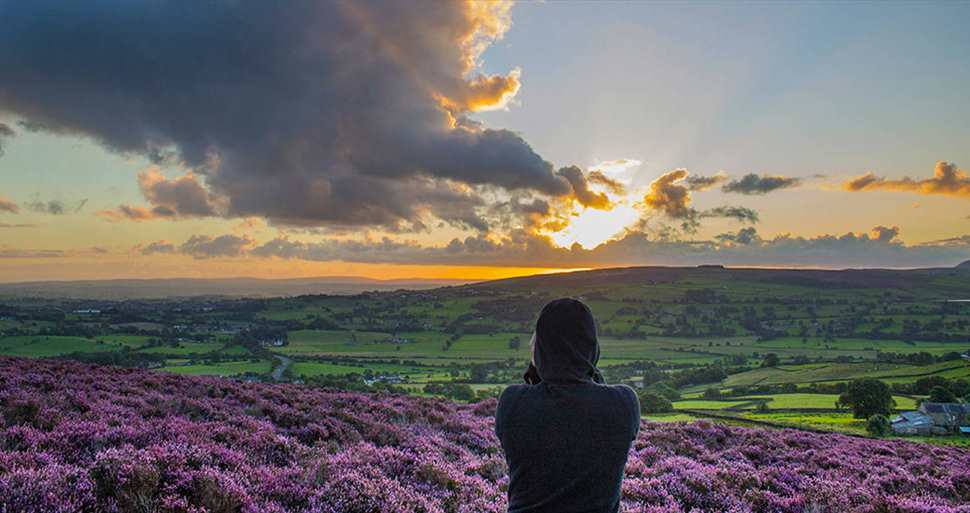

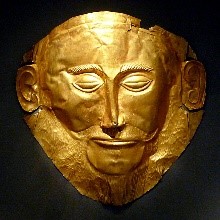
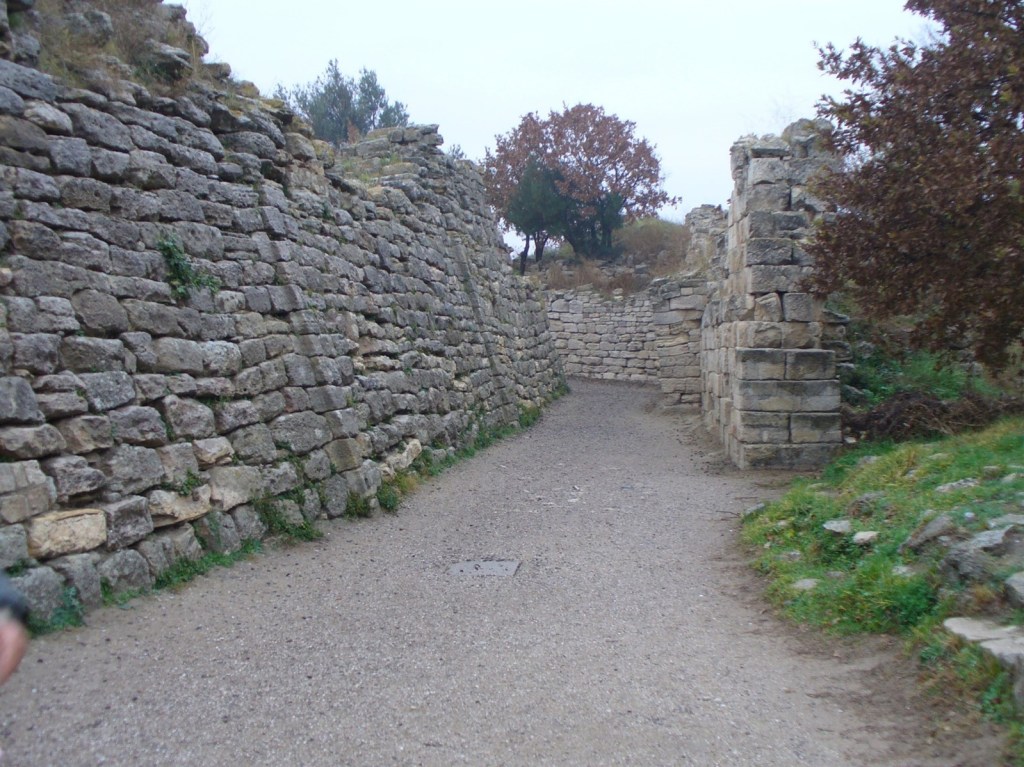
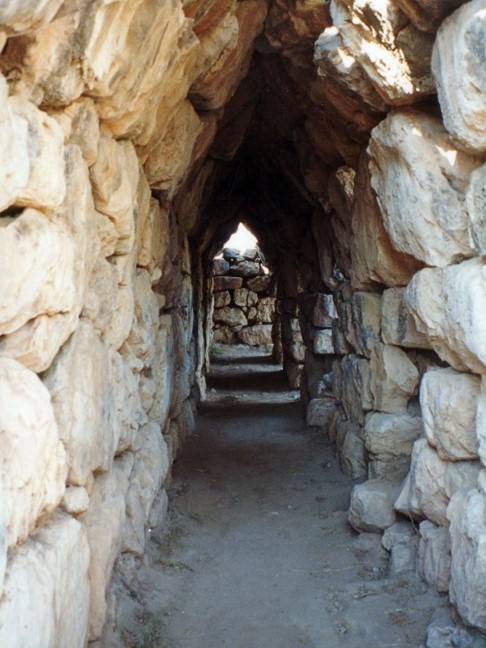
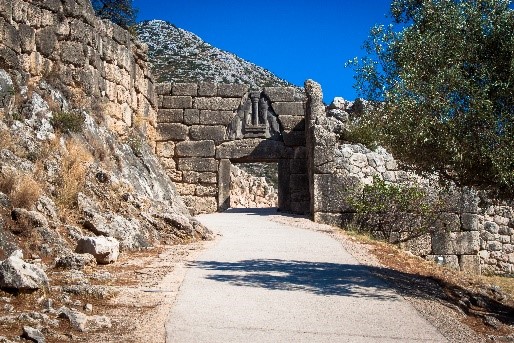
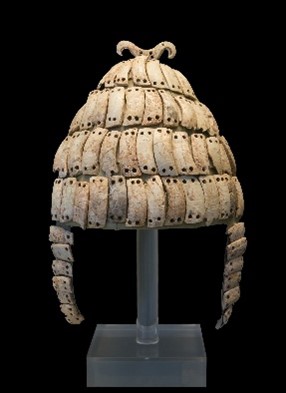

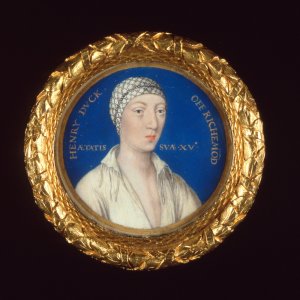
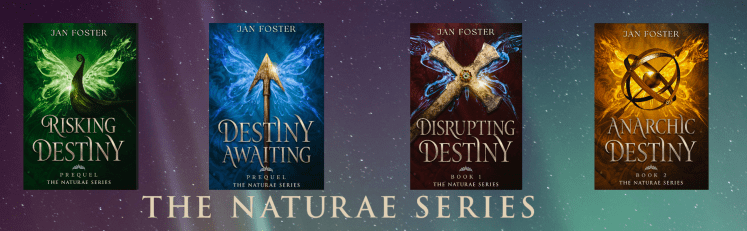


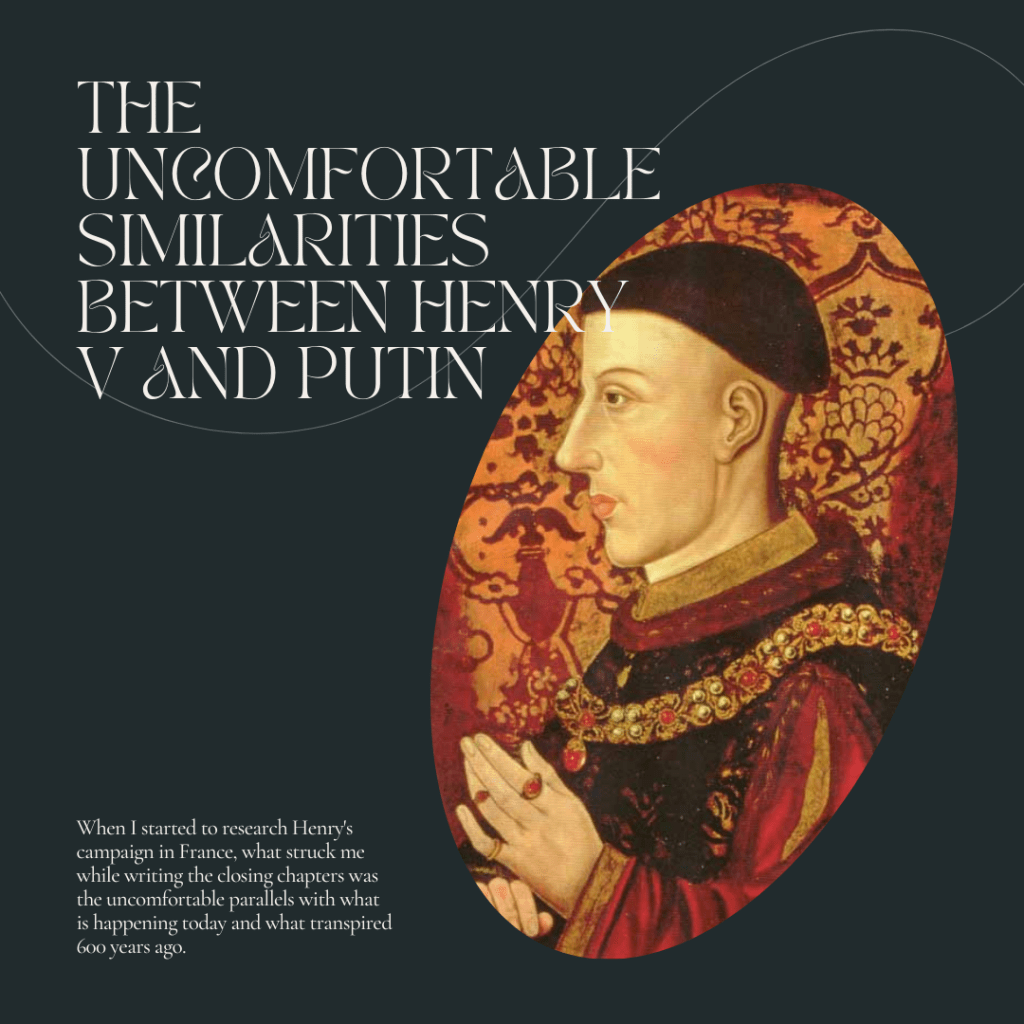
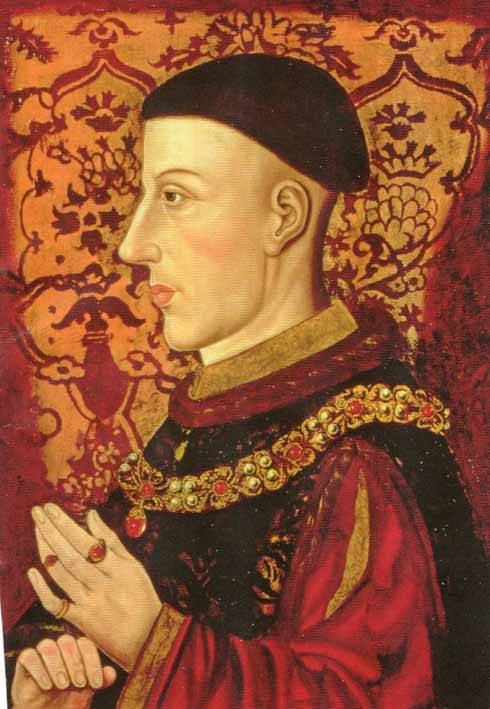
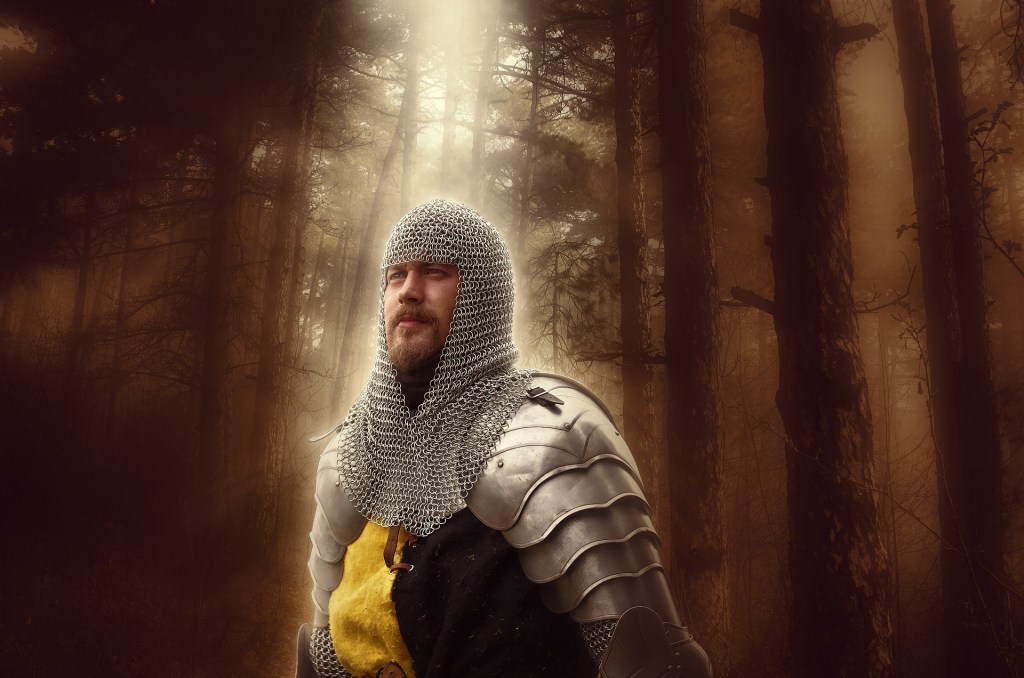
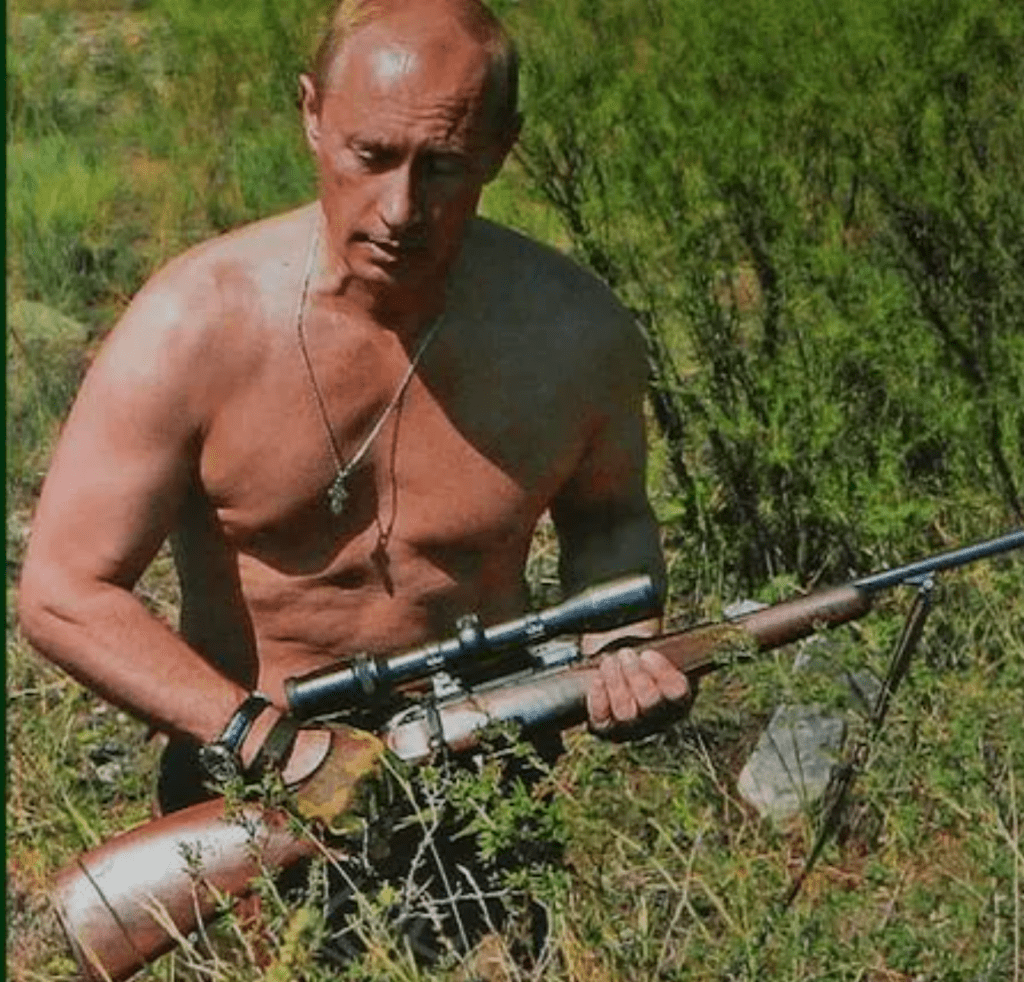
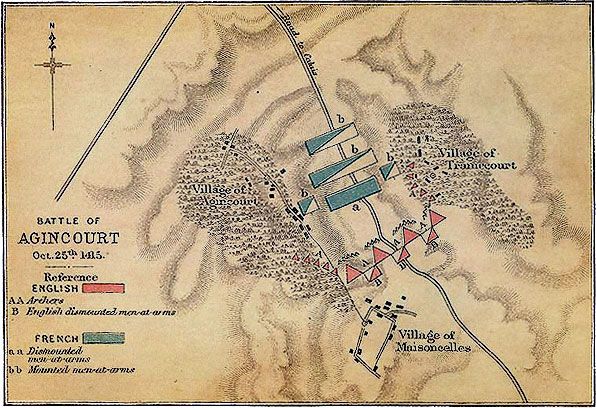
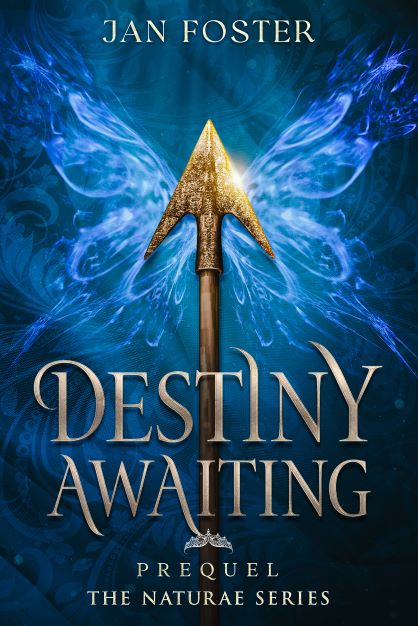
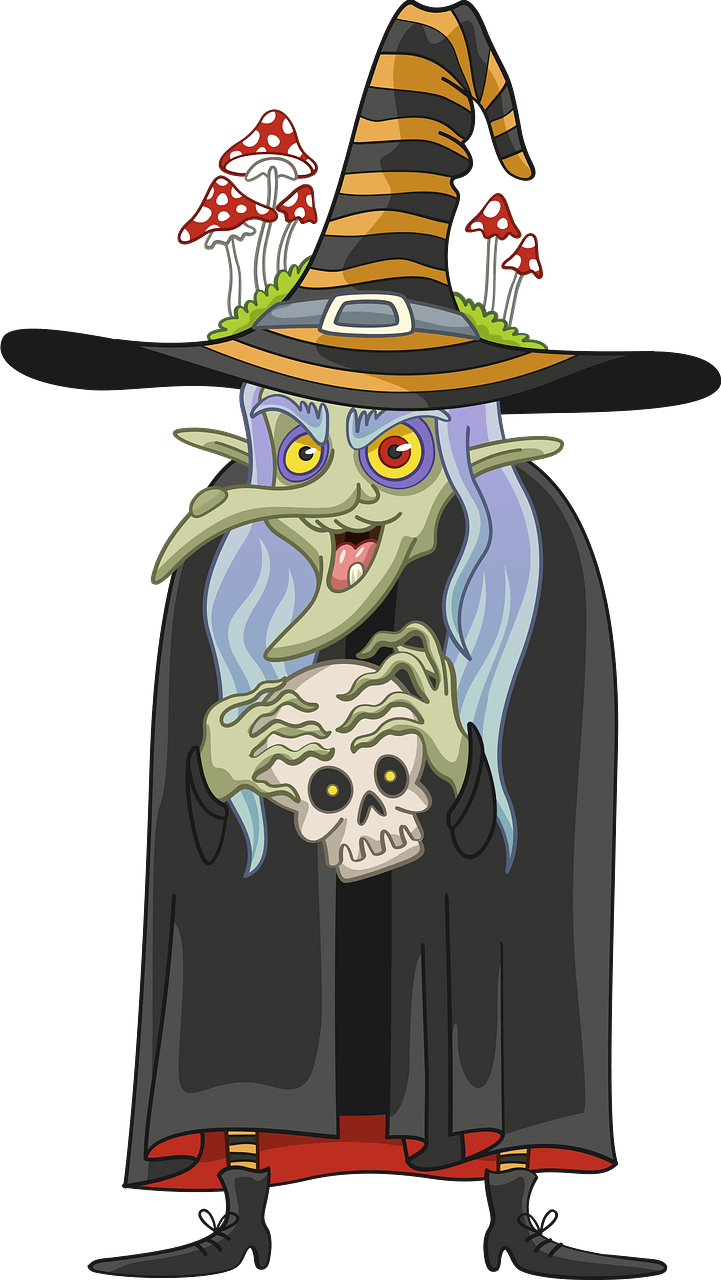
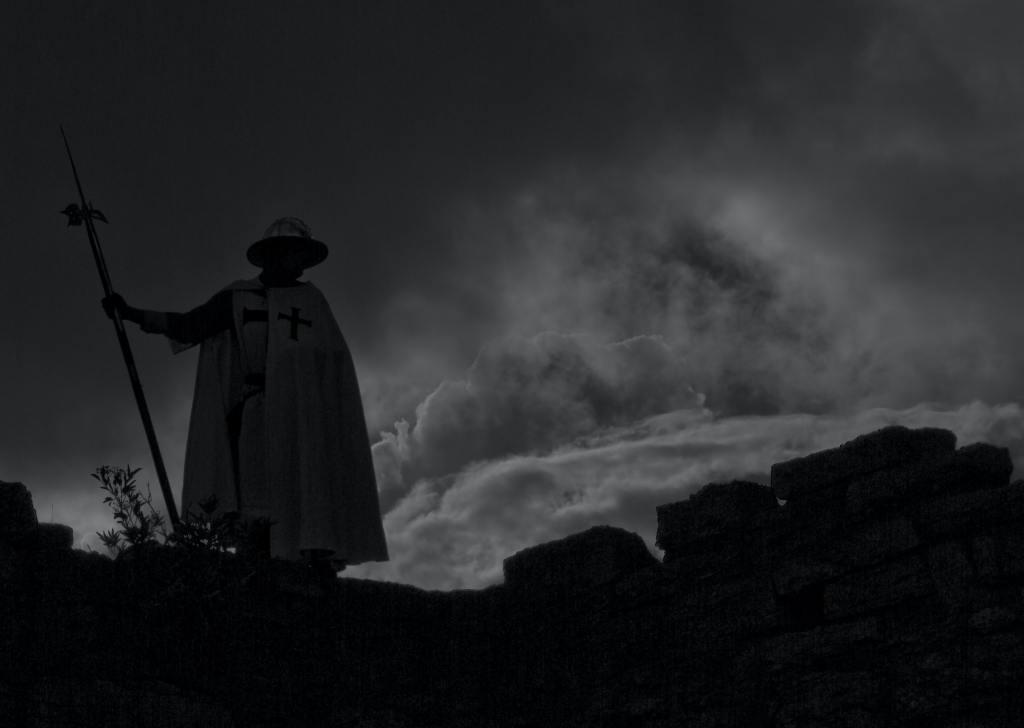


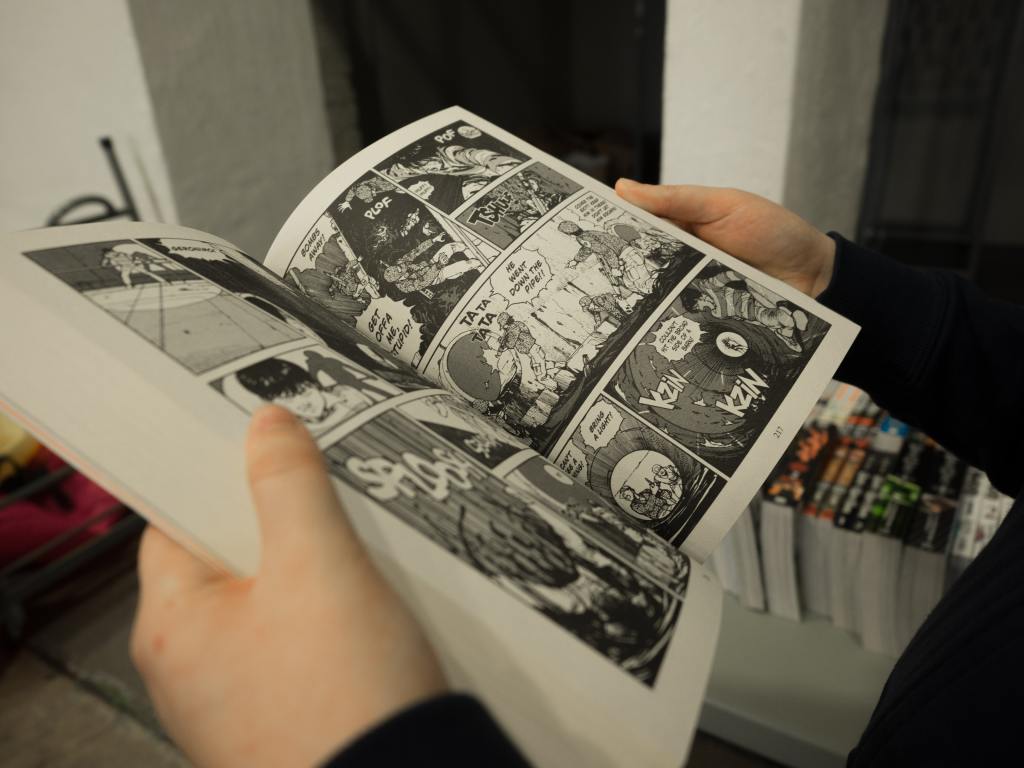

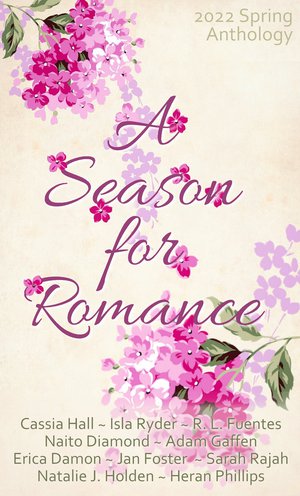

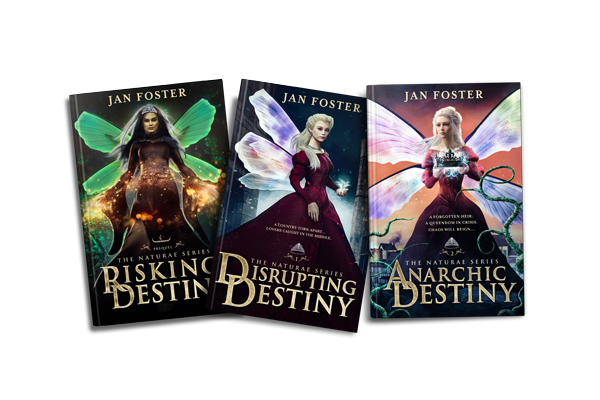

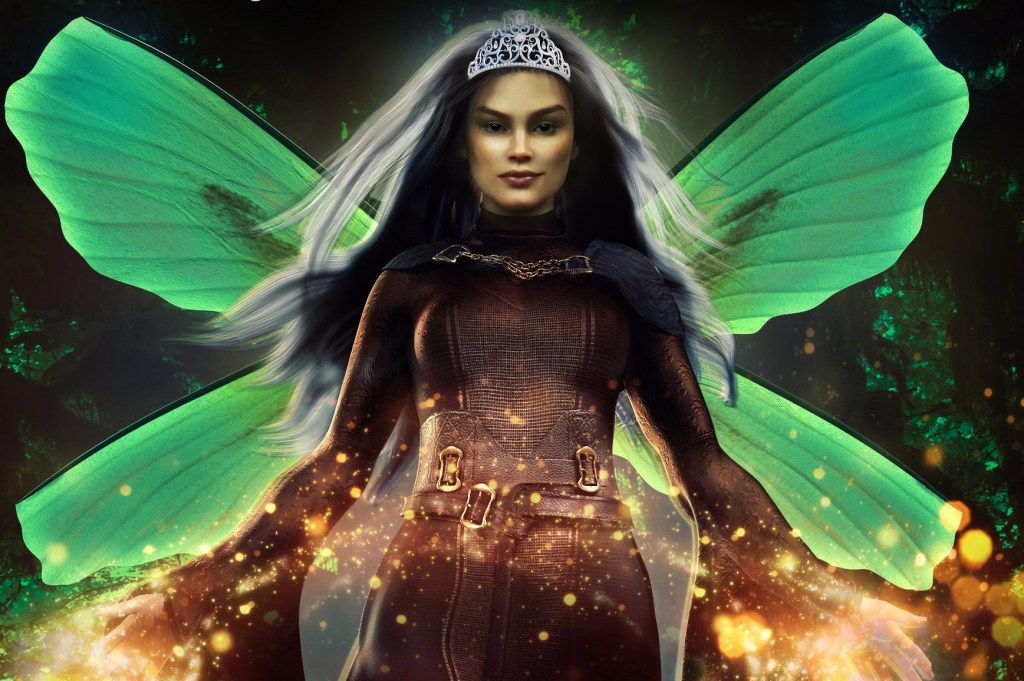
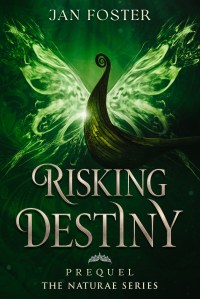
 Escape Into A Tale with Jan Foster - Author